
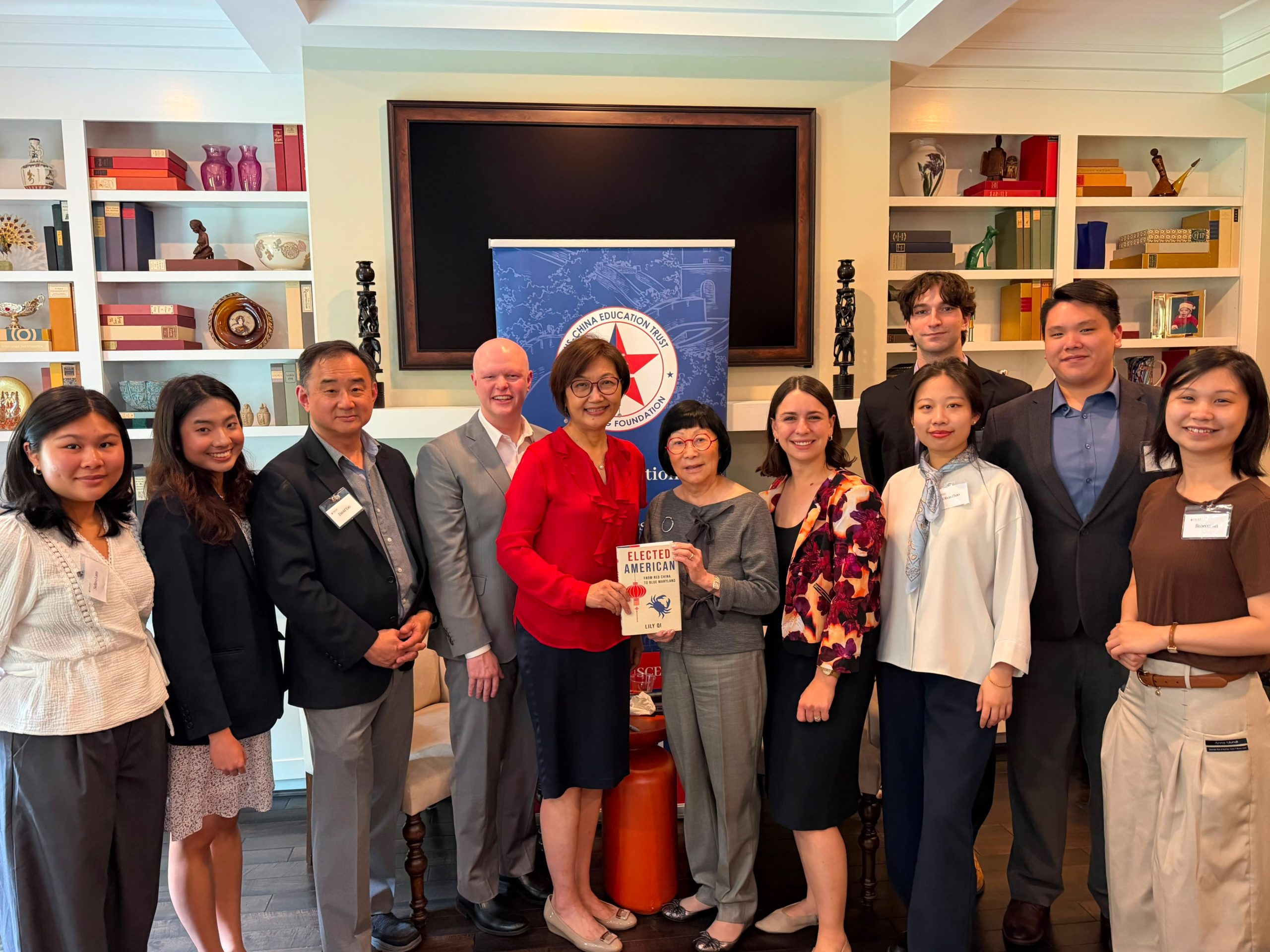
On June 27th, USCET convened an intimate gathering of the U.S.-China policy and Asian American civic communities for a pre-book launch featuring Maryland State Delegate Lily Qi and her book Elected American: From Red China to Blue Maryland.
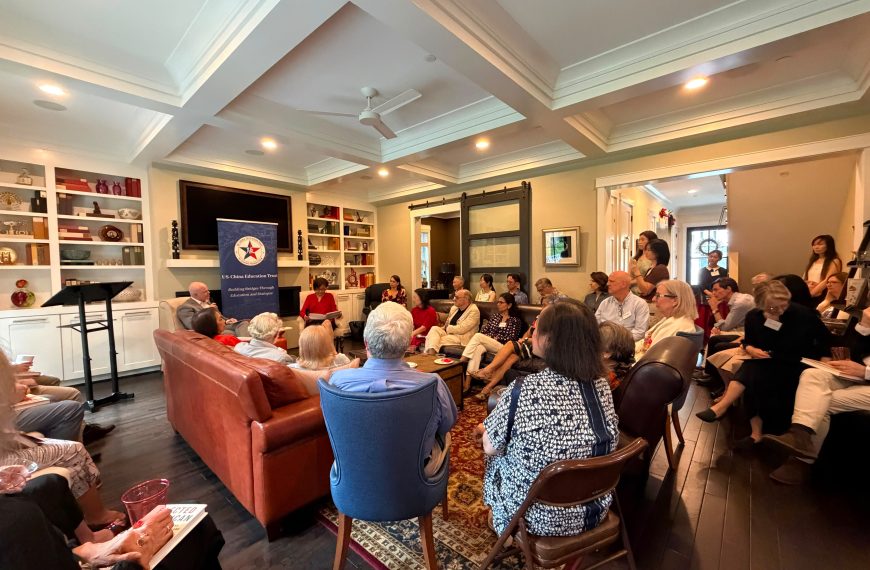
As part of the USCET Salon Series, the event featured opening remarks from Ambassador Julia Chang Bloch, an excerpt reading from Delegate Qi’s book, a discussion and audience Q&A with Delegate Qi moderated by USCET Managing Director Ryan McElveen, and closing remarks from USCET Executive Director Rosie Levine.
Ambassador Julia Chang Bloch, executive chair of USCET, opened the event by emphasizing USCET’s mission of building understanding across communities through sustained dialogue and relationship-building, noting that informal exchanges often serve as the foundation for what she described as quiet diplomacy.
Bloch situated Delegate Qi’s book within a broader story of Asian American civic participation. She reflected that when she came to the United States, there were very few Asian Americans in public leadership roles. Today, Asian Americans serve as judges, mayors, and state legislators, a development she described as reflecting the growing strength of American democracy.
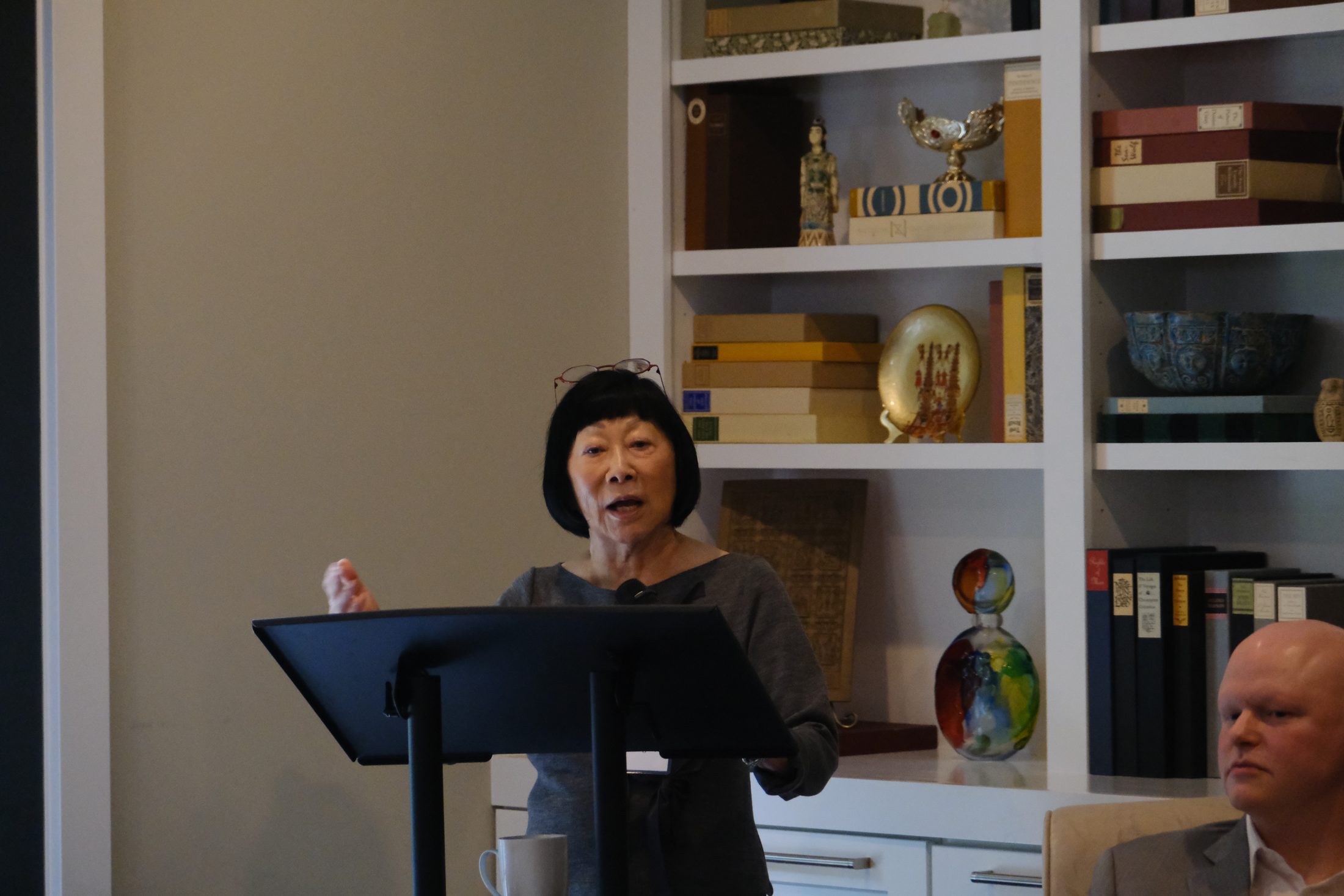
“As Lily likes to say, “Only in America can you run for office and get elected by people who can’t even pronounce your name.” It is a wonderful line, but it also captures a profound truth. America is at its best when character matters more than ancestry and when service matters more than background.” ― Ambassador Julia Chang Bloch
USCET Managing Director Ryan McElveen praised Delegate Qi’s book as an important contribution to the relatively limited body of work by Asian American elected officials, particularly at a moment of convergence across issues including the rise of China, concerns about democratic resilience, the resurgence of socialist-leaning political discourse, and the evolving role of Asian Americans in U.S. public life.
During the moderated discussion, Delegate Qi reflected on her upbringing during the Cultural Revolution, describing experiences shaped by coercion and fear, including being urged to strike her school principal and living through the death of her uncle. She emphasized that questions of moral judgment are not confined to period or place but reappear within American institutions and political life. In her framing, the book’s movement between “Red China” and “Blue Maryland” highlights these recurring tensions.
“Everyone, every day, whether you are in America today or during the Cultural Revolution in China, we’re confronted with these moral issues of humanity.” ― Lily Qi
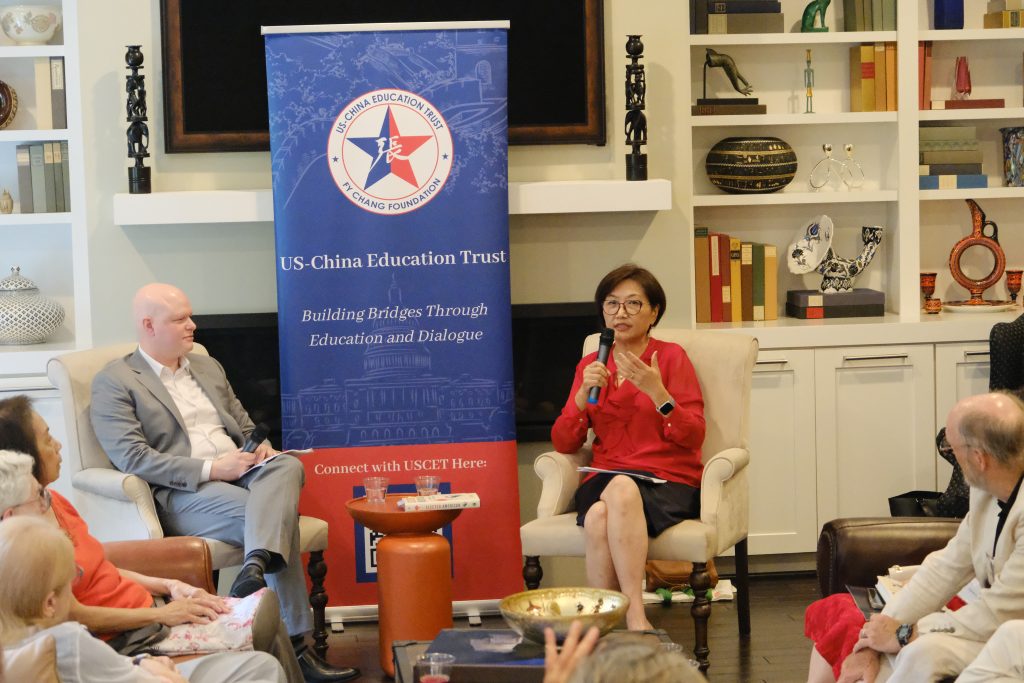
On identity and belonging, Delegate Qi described a life spent navigating multiple worlds, from Shanghai to Montgomery County, across Chinese and American political and cultural systems. She identified herself as a “culture broker,” moving between communities and political contexts. Her path into elected office further demonstrates this. In the absence of role models for Asian American candidates, Delegate Qi carved a space for herself in local government that ultimately led her into state-level politics after.
“There was no role-model. Every other elected Asian American seems to be a native English speaker and American born and raised.” ― Lily Qi
On the 30-year anniversary of the day she arrived in the United States, Delegate Qi was sworn into the Maryland State House. She emphasized both the personal and collective meaning of that milestone.
“This moment also belongs to all the immigrants who sent me there.” ― Lily Qi
McElveen noted that Delegate Qi has helped pave the way for increased Asian American political representation, though there have been ongoing challenges and backlash. Qi remains hopeful. Recounting her campaigning experience, she also describes WeChat as a double-edged sword, enabling outreach to first-generation immigrants while also becoming a site of criticism and political conflict.
Addressing the potential tensions between immigrant community priorities and Democratic officials, Delegate Qi spotlights the importance of more in-between voices who can bridge perspectives and expand participation in the political process. She stated that when she won her election, the real significance of her victory was what it meant for the immigrant community. Through her campaign, the community learned the roadmap of political relevancy, including the mechanics of campaigning and civic engagement.
Regarding recent political shifts, including the rise of Democratic Socialist officials, Delegate Qi noted that political outcomes vary: what resonates in New York does not necessarily translate to Virginia or Maryland, as shown by the simultaneous success of both progressives like New York City Mayor Zohran Mamdani and centrist Democrats like Virginia Governor Abigail Spanberger. She described herself as a progressive Democrat who is also unapologetically pro-business, shaped by her time in China during the Cultural Revolution.
Asked what advice she would give to her younger self, Delegate Qi said she would encourage herself to stay true to her voice and affirmed a lifelong sense of no regrets about coming to America.
Transitioning to the audience Q&A portion of the event, Delegate Qi addressed how she believes the Democratic Party should better tailor its messaging to immigrant communities. She also reflected on how her understanding of racial identity evolved through studying and observing the African American civil rights struggle. She further addressed the impact of federal workforce layoffs on her district, as well as broader challenges of economic and institutional stagnation, particularly in infrastructure and housing,

For the final question, McElveen asked what comes next for Delegate Qi’s public service. Delegate Qi said she wants to serve in the role where she can have the greatest impact, explaining that she believes she can currently make the biggest difference in the Maryland legislature. She also identified election reform, particularly promoting open primaries, as a key priority, arguing that broadening participation is essential to strengthening democratic representation.
“Politics is not a typical career. You don’t measure success by income or a corner office. You measure it by impact.” ― Lily Qi
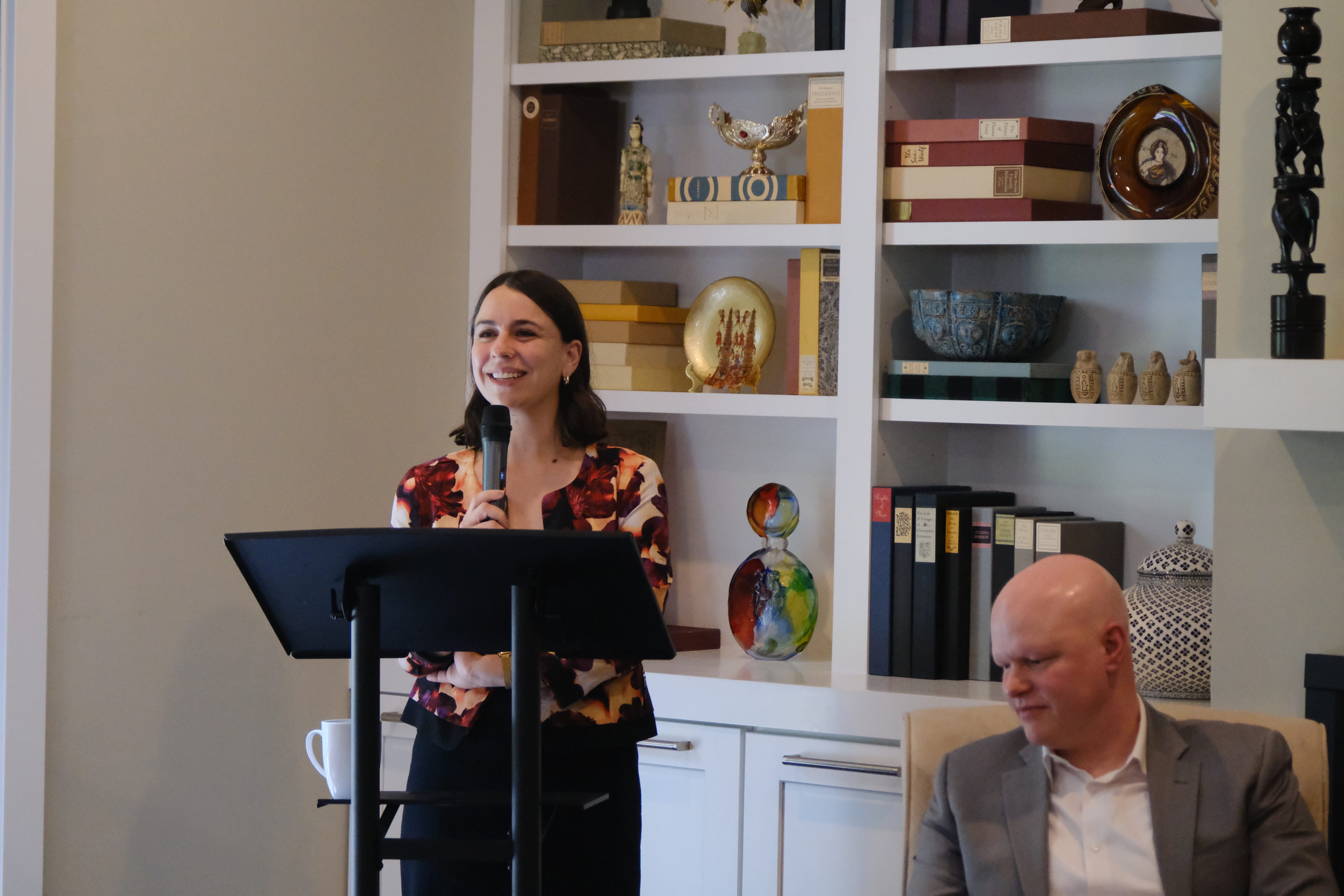
In closing remarks, USCET Executive Director Rosie Levine highlighted the importance of leadership and connectivity across both sides of the U.S.–China relationship, noting that stories like Delegate Qi’s epitomize USCET’s mission. She referenced the USCET Salon Series as an ongoing set of intimate gatherings held throughout the spring for individuals who share USCET’s values and invited participants to become inaugural members of the Friends of USCET community, launching this September, and to participate in the inaugural USCET Study Tour this November.
Speaker Biographies
Speaker
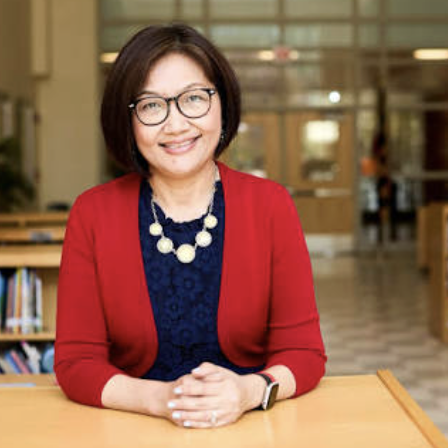
Lily Qi is a Maryland state delegate representing Montgomery County and the first Chinese American elected to the Maryland legislature. As a champion for economic competitiveness and cultural competency, Qi is a leading voice on immigrant integration, civic and political engagement, and the Asian American experience. Qi chairs the Maryland Legislative Asian American Caucus and has been honored three times as Legislator of the Year and as one of Maryland’s Top 100 Women.
Moderator
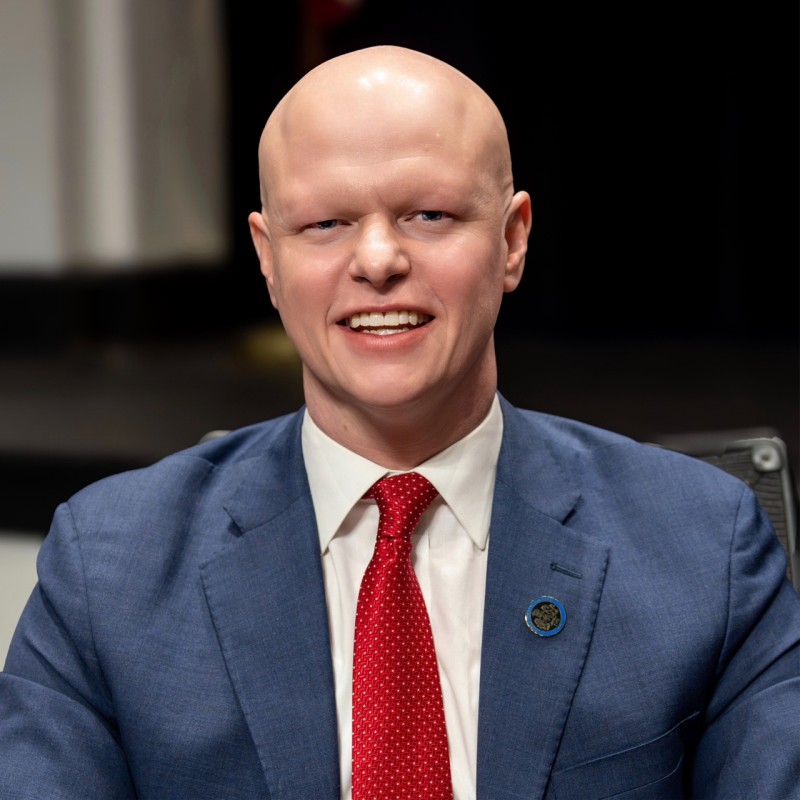
Ryan McElveen (麦瑞安) serves as managing director of US-China Education Trust, where he oversees organization operations, programming, communications, and development. He also serves as a nonresident fellow at the Centre on Contemporary China and the World (CCCW) at the University of Hong Kong (HKU).