Event recap – Geopolitics, Identity, and the Fight for Civil Rights
June 10, 2026
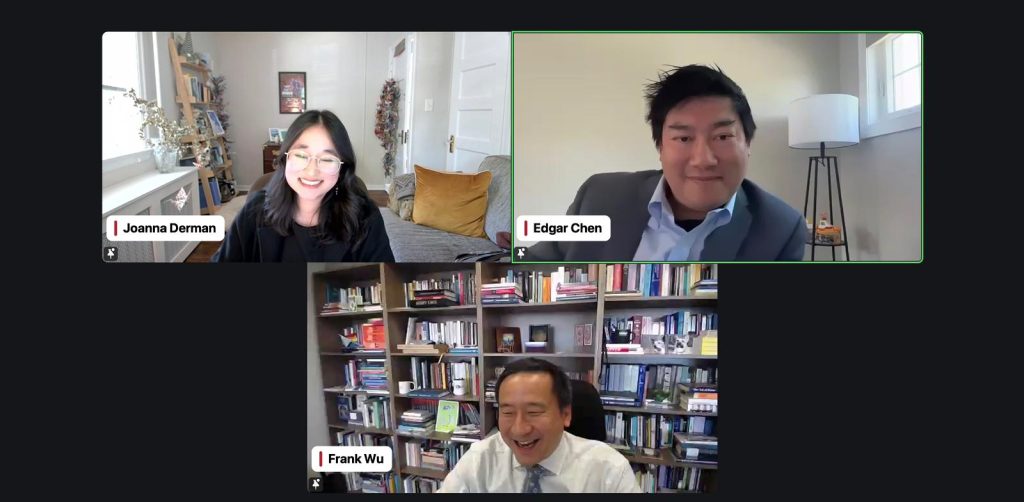
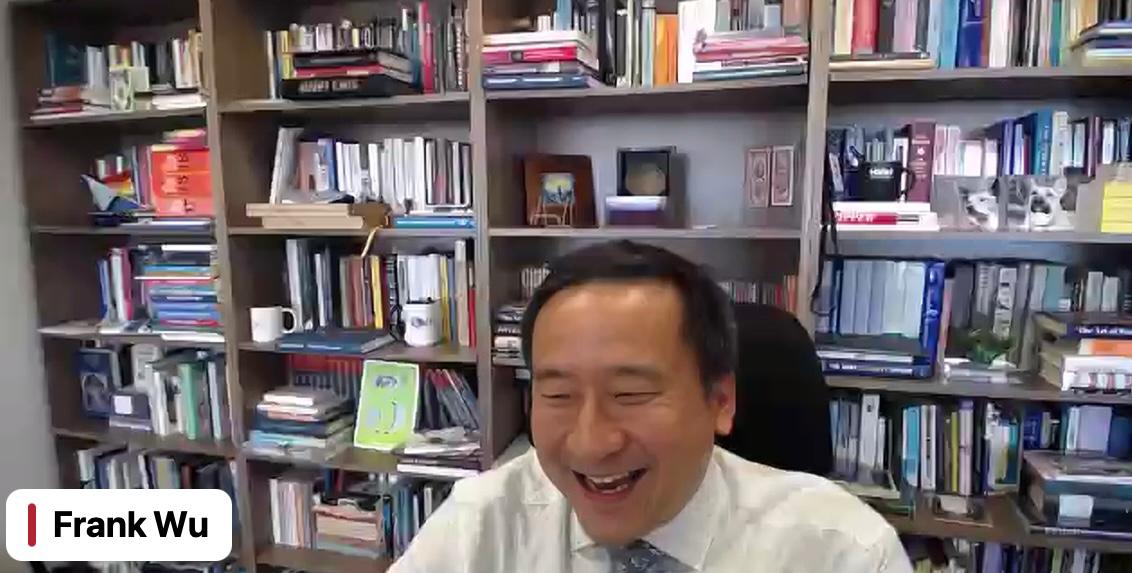
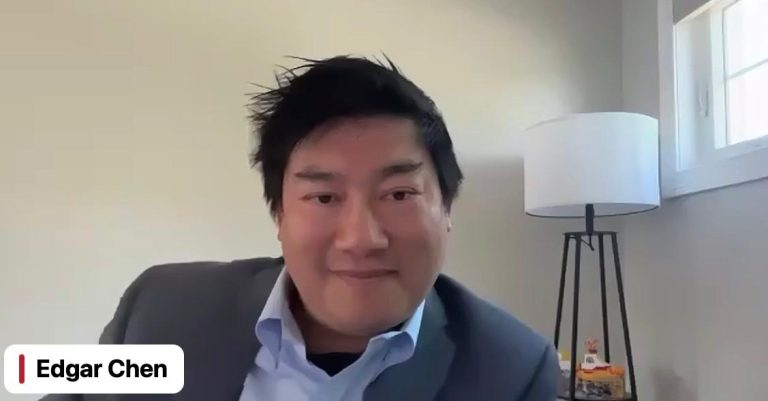
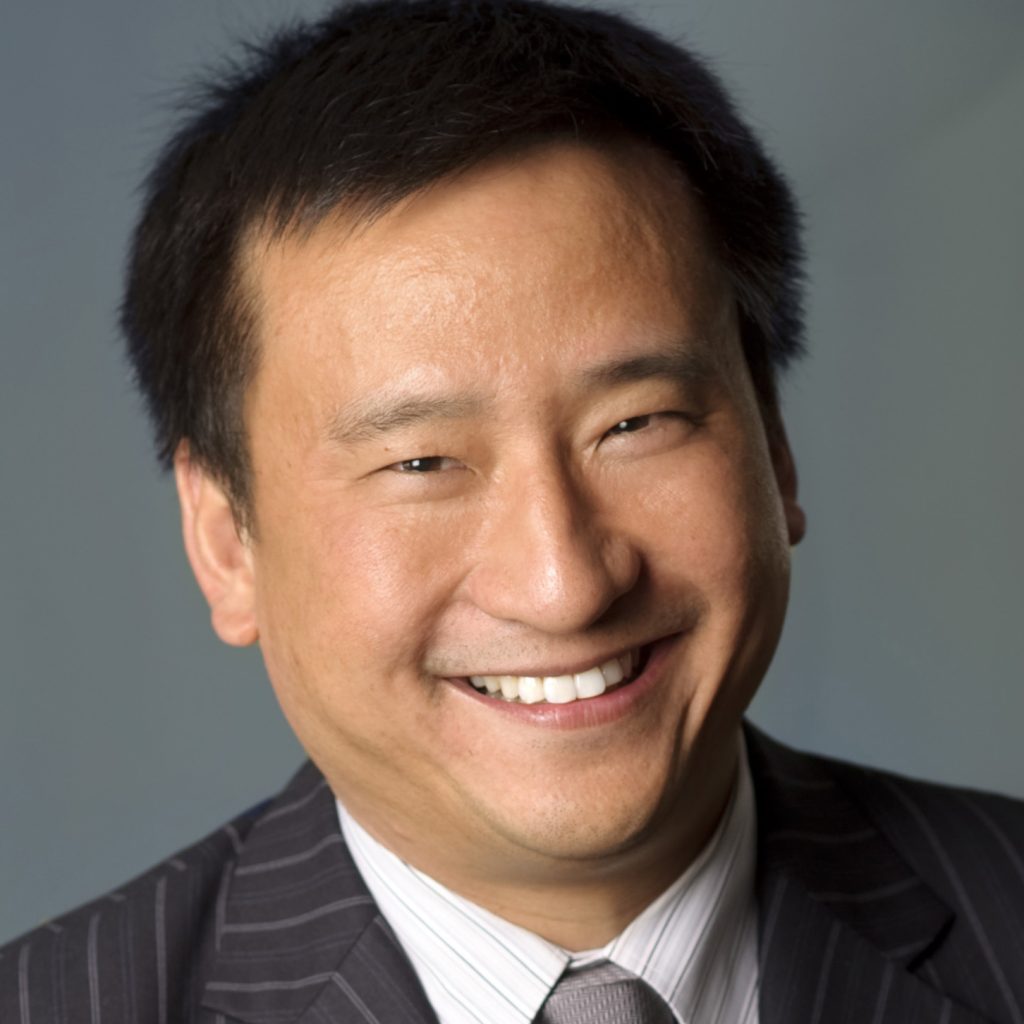
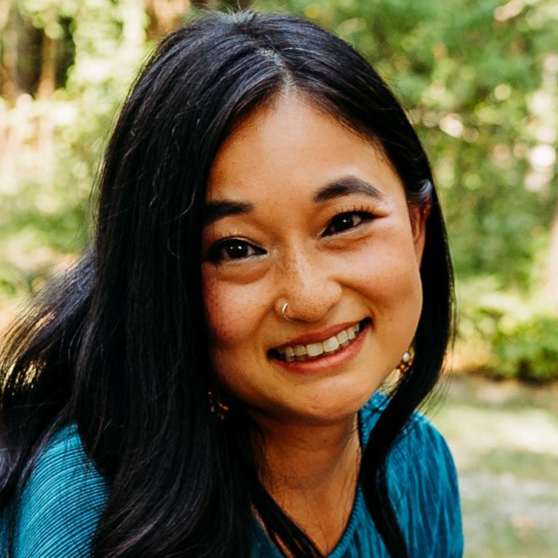
On June 3, 2026, the U.S.–China Education Trust (USCET), in collaboration with APA Justice and the Committee of 100 (C100), convened the third installment of a webinar series examining how shifting U.S.–China relations are affecting the civil rights, identity, and everyday experiences of Asian Americans. The conversation featured Edgar Chen, special advisor to NAPABA; Frank Wu, president of Queens College, and was moderated by Joanna Derman, director of the Anti-Profiling, Civil Rights, and National Security program at AAJC.
Dr. Jeremy Wu, founder of APA Justice, opened the event by emphasizing how geopolitical tensions can ripple inward to affect public perception, influence government action, and impact the daily lives of communities far from the halls of power. Derman then launched the discussion by asking panelists to reflect on a recent incident in Maryland, where state delegates mocked Delegate Chao Wu’s accent and made unfounded comments suggesting that he was a Chinese spy. The incident served as a starting point for examining how, under the current political environment, polarized discourse can cross into racialized suspicion, particularly against Asian immigrant communities.
Frank Wu noted that such attacks reflect the long-standing “perpetual foreigner” stereotype, in which Asian Americans are treated as outsiders regardless of their citizenship, degrees of assimilation, or contributions to American society. He noted how assumptions based on appearance or perceived identity can shape the way people are seen and treated.
In agreement, Edgar Chen argued that if the United States seeks to ideologically counter Chinese communism, it should do so by upholding and celebrating democratic values rather than resorting to bigotry.
“Asian Americans are thought of as the perpetual foreigner. Our heart belongs elsewhere, doesn’t matter if you have an American name… it’s still… you’re really one of them, not one of us.” – Frank Wu
The discussion then transitioned to the rise of alien land laws and other state-level measures restricting foreign property ownership. Derman noted that since 2021, no fewer than 525 bills restricting foreign ownership of property have been introduced, many of them targeting Chinese citizens. She asked the speakers whether these measures represent genuine national security concerns or serve as a pretext for racial profiling.
“This is not about Chinese, not about Chinese Americans, not about self-interest. This is about American principles. And what has made America great is welcoming people who saw opportunity.” – Frank Wu
In response to this question, Wu situated these laws within a longer history of discrimination against Asian immigrants, explaining that earlier laws used seemingly neutral language like “aliens ineligible to citizenship” to target immigrants who were barred from U.S. citizenship at the time. He argued that advocates should push back not only on civil rights grounds, but also by making the economic case for diversity. Immigrants, he noted, have historically revitalized local economies and communities, including places such as Flushing, Queens.
Building on the discussion of how exclusionary policies reappear in new forms, Chen pointed to the irony of American state proposals to “expropriate” land from Chinese citizens, noting that the seizure of land from Chinese people was precisely what the Chinese Communist Party did during the Cultural Revolution. He also highlighted how economic targeting extends beyond land ownership, referencing the Iowa Senate File (SF) 572, which has already been signed into law. The law bars Chinese citizens from healthcare licensure, warning that such policies ultimately harm American communities, especially rural areas already facing healthcare workforce shortages.
The conversation further highlighted the increasingly blurred line between domestic civil rights and foreign policy. Derman asked Chen how the AAPI community can navigate advocacy for domestic issues, including fighting alien land laws and discriminatory healthcare licensing practices, when those issues are increasingly tied to U.S.–China relations.
“For Asian American communities. The problem is that we get accused of shilling for Beijing, being a Beijing apologist.” – Edgar Chen
Chen stressed that advocates must stay informed on foreign policy developments in order to respond to perceived national security threats with evidence and develop the ability to distinguish legitimate concerns from irrational fear and racism. He briefly noted that even his own Taiwanese family background does not prevent him from being cast as a “Beijing apologist” when defending Asian American civil rights. Wu also added that much of the current geopolitical fear stems from China’s rise as a global power and the perception that it threatens traditional U.S. dominance.
Before closing, the panel transitioned to audience questions on how Asian Americans can build political influence and hold elected officials accountable when constitutional norms and civil rights are violated. The panelists emphasized that civic engagement is essential to building political influence and accountability, encouraging attendees to vote, participate in public life, consider running for office, and have difficult but necessary conversations within their families and communities instead of acting as the silent majority.
In reflecting on the broader role of Asian Americans in U.S.–China relations, Wu emphasized that Asian immigrants and Asian Americans should not be viewed as agents of foreign influence. Rather, he argued, they can serve as a positive bridge between the United States, China, and the rest of Asia.
In conclusion, the webinar discussion underscored that geopolitical influence does not remain confined by the bounds of diplomacy or national security. It also shapes domestic politics, sense of communal belonging, and civil movements at home. By addressing racialized suspicion, alien land laws, economic exclusion, and civic engagement, the panelists urged communities to push back against the “perpetual foreigner” stereotype through evidence-based advocacy, and active civic participation. They emphasized that protecting constitutional principles is not only a matter of defending Asian American communities, but also of preserving the democratic values and diversity that strengthen American society.
Speaker Biographies
Panelists
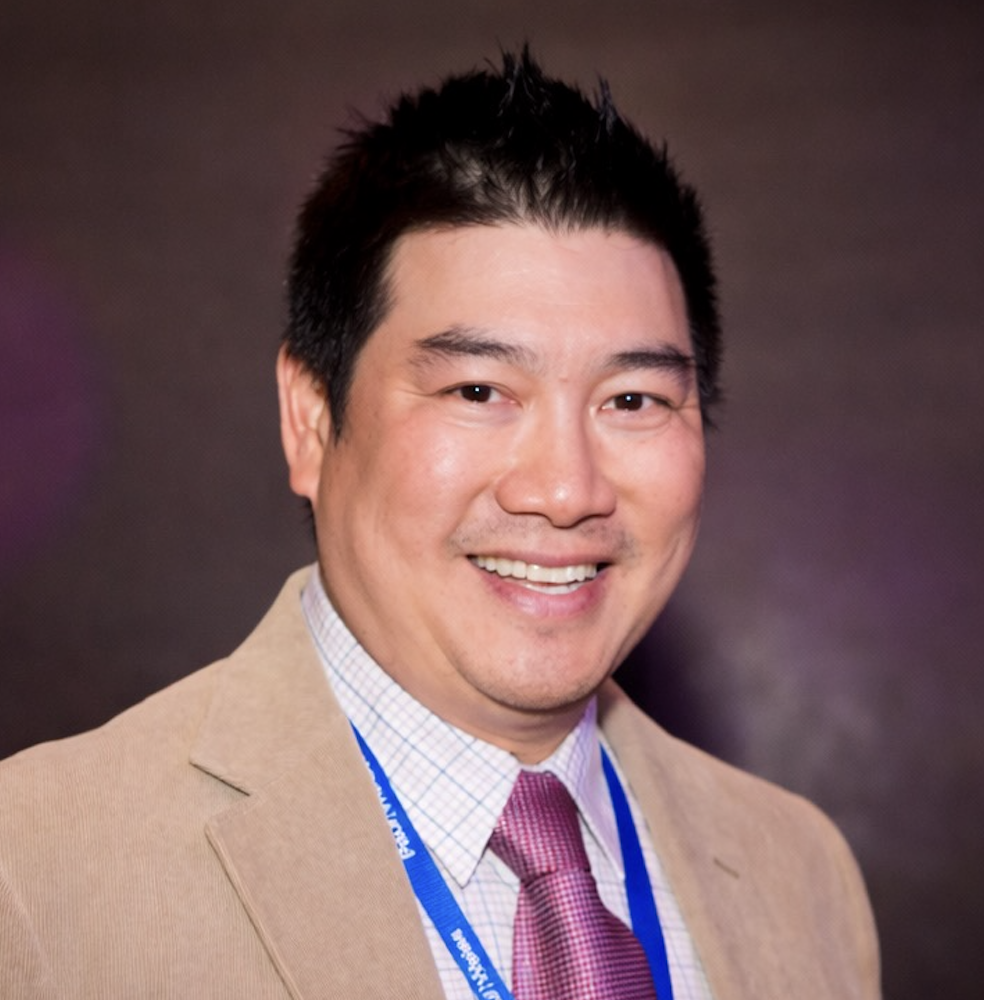
Edgar Chen (陳春品) is Special Advisor to NAPABA. He brings over two decades of legal and advocacy experience in the private law firm, government, and non-profit sectors. He is responsible for developing and advancing policies that support NAPABA’s strategic goals and working with affiliates, organizational allies, and executive branch, and congressional offices to promote NAPABA’s work. In this role he has spearheaded NAPABA’s efforts, in concert with affiliates, to combat the resurgence of anti-Asian “alien land laws” across various states, on immigration matters, and other issues of importance to AANHPI communities.
Prior to joining NAPABA, Chen served in three different federal agencies during administrations of both parties, including as Chief of Staff at the Financial Crimes Enforcement Network of the Department of the Treasury; as Counsel to the Assistant Attorney General of the Criminal Division of the U.S. Department of Justice (DOJ); and as attorney advisor for oversight matters in the U.S. Department of Commerce. He also served in the DOJ’s Office of Legislative Affairs, where he spearheaded the Department’s interactions with Congress on a variety of issues including transnational organized crime, money laundering, human trafficking, forensic science reform, tribal law and order, fraud, the DOJ response to the financial crisis and other high-profile matters.
Prior to entering government service, Chen worked as counsel to the Coalition for International Justice, a non-profit organization dedicated to promoting justice efforts at UN-sponsored war crimes tribunals. He began his legal career at the law firm of Foley Hoag LLP where he worked on public international law disputes and securities litigation.
Chen holds an A.B. in History and a certificate in East Asian Studies from Princeton University and a J.D. from the University of Chicago Law School. He also serves on the Board of Trustees of Princeton In Asia.
Frank Wu (吴华扬) serves as the eleventh President of Queens College. Prior to joining the City University of New York (CUNY) system, Wu served as Chancellor & Dean, and then William L. Prosser Distinguished Professor at University of California Hastings College of the Law in San Francisco, a unique standalone institution, the original law school of the UC system. Before joining UC Hastings, he was a member of the faculty at Howard University, the nation’s leading historically black college/university (HBCU), for a decade. He was appointed by the federal Department of Education during the Obama administration to its National Advisory Committee on Institutional Quality and Integrity (NACIQI), and by the Defense Department to the Military Leadership Diversity Commission. He was a Trustee of Gallaudet University, the only university in the world dedicated to deaf and hard of hearing persons, from 2000 to 2010, and Vice-Chair for the final four years of his tenure. In April 2016, Wu was elected by the members of Committee of 100 as their Chair, and he held that office for two years; then in February 2017, the Board named him as the group’s first-ever President, a role he held for two and a half years. He served on the Board of the Leadership Conference on Civil Rights Education Fund from 2004 to 2010. For his advocacy work, he received the John Hope Franklin Award in 2020. Wu is a Committee of 100 member.
Wu is the author of Yellow: Race in America Beyond Black and White, which was immediately reprinted in its hardcover edition. Prior to his academic career, he held a clerkship with the late U.S. District Judge Frank J. Battisti in Cleveland and practiced law with the firm of Morrison & Foerster in San Francisco – while there, he devoted a quarter of his time to pro bono work on behalf of indigent clients. He received a B.A. from Johns Hopkins University and a J.D. with honors from the University of Michigan.
Moderator
Joanna Yangqing Derman is the Director of the Anti-Profiling, Civil Rights, and National Security program at AAJC. Derman’s primary responsibility is developing and executing advocacy, research, and coalition-building strategies on national security and civil rights issues as they pertain to anti-Asian hate and discrimination. She crafts and advances policy solutions especially aimed at combatting the profiling of Asian Americans and immigrant communities based on race, religion, ethnicity, and/or national origin.
Derman started her career on Capitol Hill in Washington D.C., where she served as advisor on immigration and foreign affairs to then-Senator Kamala Harris. She played an instrumental role in developing the Senator’s legislative record, with a special emphasis on international human rights and freedom, and diversity and inclusion in foreign policy and defense institutions. After the Senate, Derman went on to work as a Policy Analyst at the Project On Government Oversight (POGO), where she addressed fraud, waste, and abuse of power in the federal government.
Derman earned her B.A from the University of Chicago, and her M.Phil from the University of Oxford. Derman is a Fulbright Scholar.