
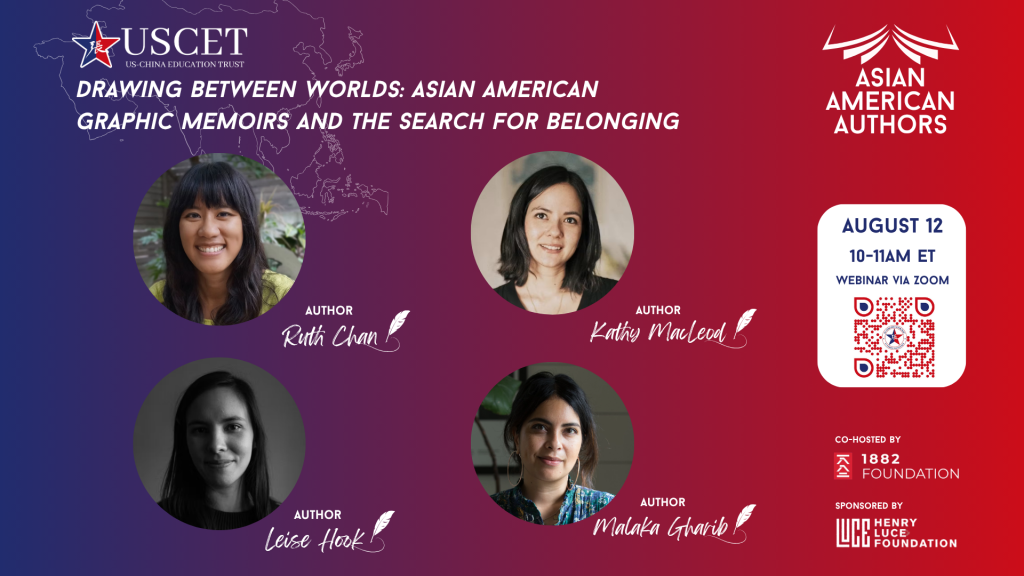
On August 12, USCET hosted a virtual webinar in its Asian American Author Series, in partnership with the 1882 Foundation, featuring a conversation with Asian American graphic authors Ruth Chan, Malaka Gharib, Leise Hook, and Kathy MacLeod. The discussion explored the unique power of graphic memoirs to tell deeply personal stories about identity, family, migration, and belonging.
USCET’s Managing Director Ryan McElveen opened the event by reflecting on the distinctive role of graphic memoirs in Asian American storytelling. He noted that the event marked the first time in the program’s 15-year history that the Asian American Author Series featured graphic memoirs, highlighting how the combination of words and images can capture experiences that are often difficult to express through language alone. McElveen also thanked the 1882 Foundation for co-hosting the discussion and highlighted its mission to ensure that the history, experiences, and contributions of Chinese Americans are recognized, preserved, and integrated into the American narrative.

The event’s moderator, USCET Administrator David Yao, then began the discussion by pointing out the growing popularity of graphic memoirs and introducing the four featured authors. Drawing on their formative teenage experiences, each author discussed navigating multicultural or biracial identities, searching for a sense of belonging while feeling caught between different societies, and ultimately learning to embrace their own identities.
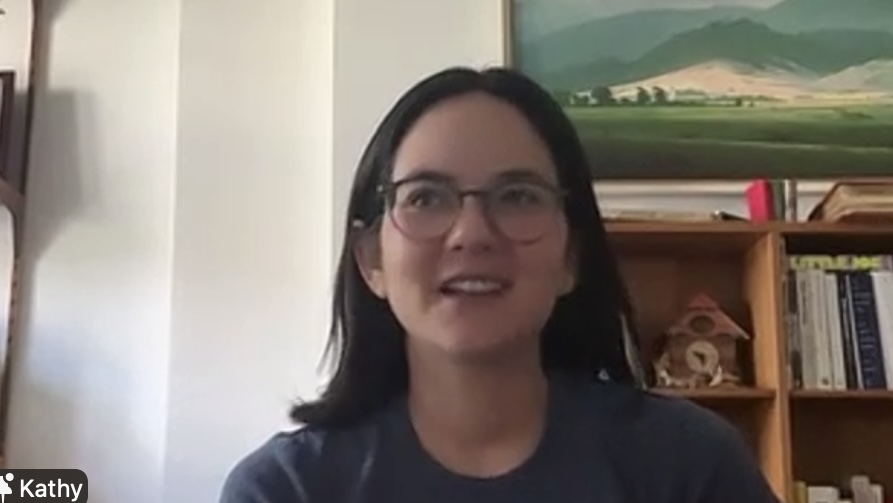
Discussing why they chose a visual medium as the format for their personal memoir, all four authors shared that beginning from a young age they kept illustrated journals and enjoyed doodling. Over time, graphic storytelling became the most natural way for them to express thoughts, emotions, and personal experiences. Kathy MacLeod explained that drawing has long been her way of communicating complex emotions, recalling that she often created comics for her father as a way to communicate difficult feelings in a more approachable manner while ensuring that her voice was heard. Because storytelling through both words and illustrations had always come naturally to her, creating a graphic memoir felt like an ideal way to tell her story.
There are things that can be communicated in the combination of pictures and words that no other medium can really accomplish. — Kathy MacLeod
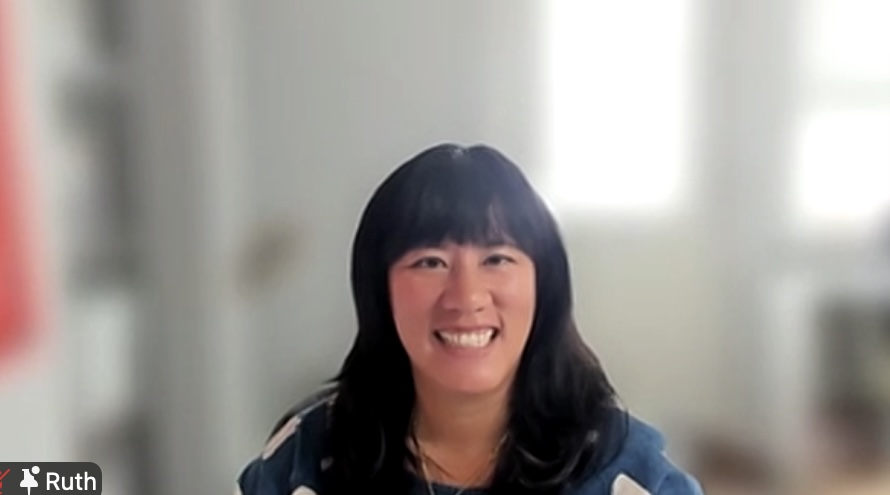
The conversation then turned to how the the authors developed their artistry to portray themselves and those around them. Ruth Chan shared that she initially worried about how family and friends would react to seeing themselves portrayed as comic characters. Instead, many enjoyed the illustrations and the opportunity to revisit shared memories through her book. Chan described the experience as a very wonderfully collective healing process.
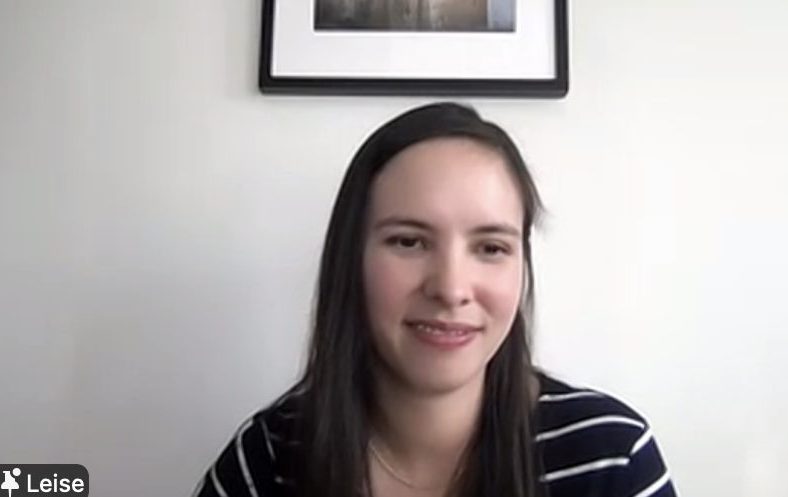
A key focus of the discussion was the search for identity and belonging, with participants sharing how their racial and cultural background shaped their childhood experiences and the moments when they first realized they were different from those around them. Leise recounted how journaling became a crucial way for her to reflect on her experiences growing up, when she struggled to find the correct language to describe them. Growing up between two cultures, Hook often found herself navigating an identity that differed from her parents’ identity. She recalled that beginning school made her more aware of the ways her background differed from those of her classmates. While her parents offered constant support, she recognized that as a biracial Asian American her experience of the world was fundamentally different from theirs.
The awareness of being different was just always there. And there wasn’t just one moment where it jumped out at me.— Leise Hook
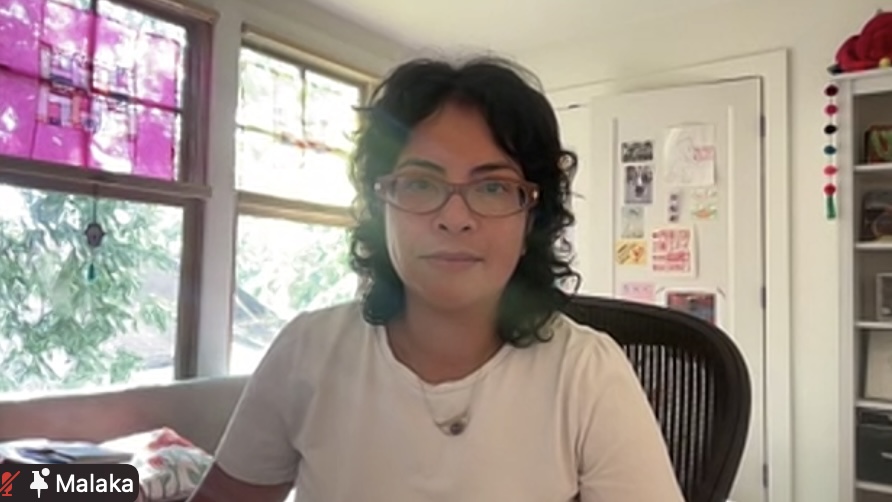
Another theme that emerged during the discussion was the role of family history and cultural heritage. Malaka Gharib noted that she had always been proud of her Filipino and Egyptian heritage and the traditions passed down through her family, though she sometimes struggled with her identity while growing up. At the same time, Gharib also acknowledged that growing up with multiple cultures helped her build meaningful relationships across cultural and linguistic differences, underscoring how genuine understanding does not always depend on a shared language.
There’s a lot of communication that you can do without language, and that’s something that I am so grateful that I learned early on as somebody as a product of many cultures. — Malaka Gharib
As the conversation came to a close, the authors highlighted how writing their memoirs gave them the opportunity to better understand themselves. Looking back on their teenage years, multicultural and biracial backgrounds, and family histories, they recognized that each had played an essential role in shaping who they are today. They also enjoyed the process of creating these meaningful and rewarding memories.
Biographies
Authors
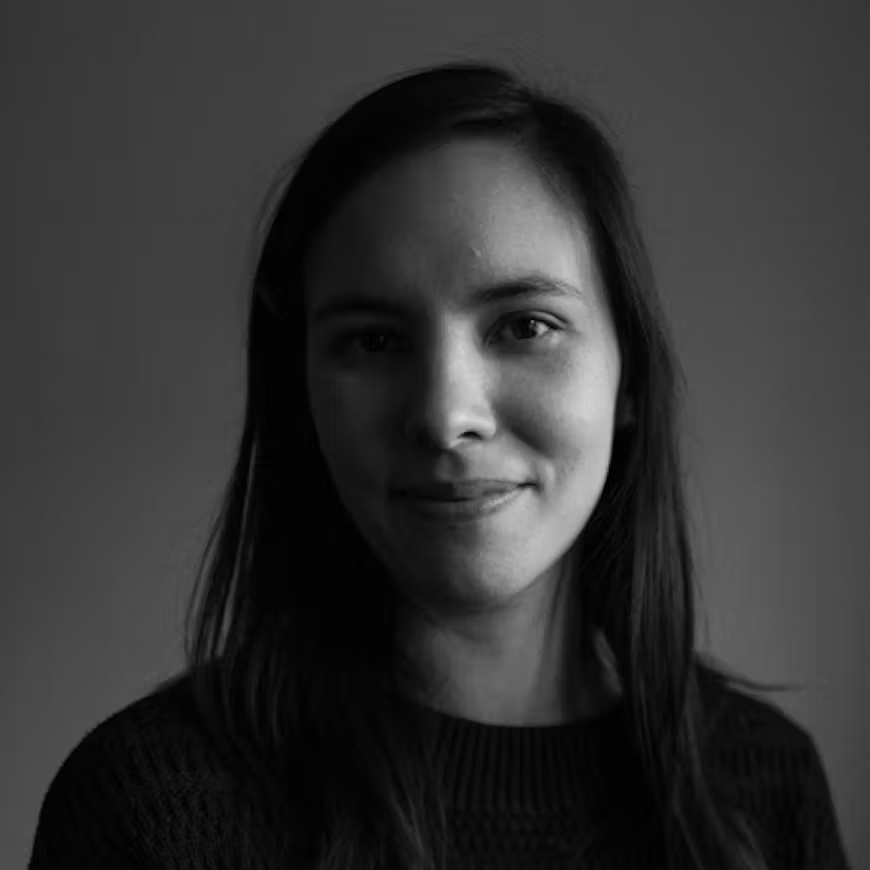
Leise Hook is a cartoonist and illustrator whose work has appeared in The Believer, The New Yorker, Catapult, and Spotlight PA. Her graphic memoir Names and Faces examines mixed-race identity, cultural belonging, and the search for self across the United States and Asia. Previously based in New York City and Beijing, Hook is a graduate of the Center for Cartoon Studies and currently lives in Stockholm.
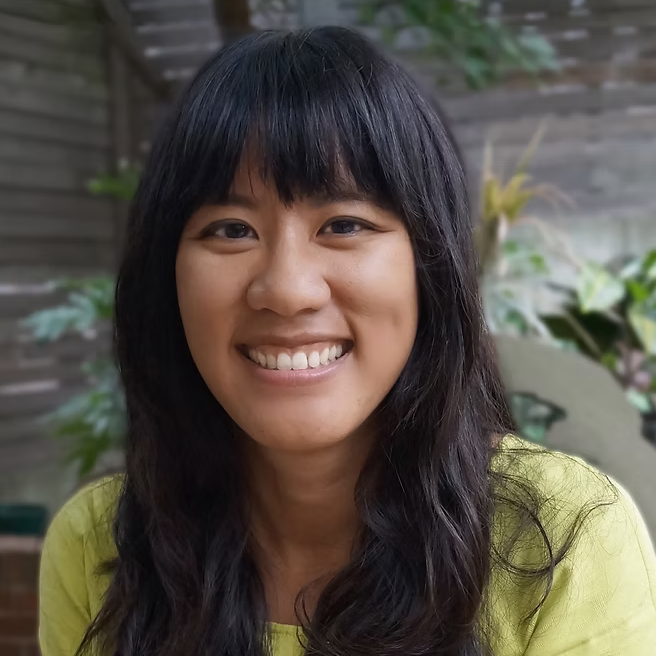
Ruth Chan is an award-winning author and illustrator of comics and children’s books. Her graphic memoir Uprooted earned a Boston Globe-Horn Book Nonfiction Honor, an SCBWI Golden Kite Award for Illustrated Book/Graphic Novel for Older Readers, and was named an NPR Best Book of 2024. Before illustrating full-time, she spent her teens in China and worked for a decade with youth and families in underserved communities.
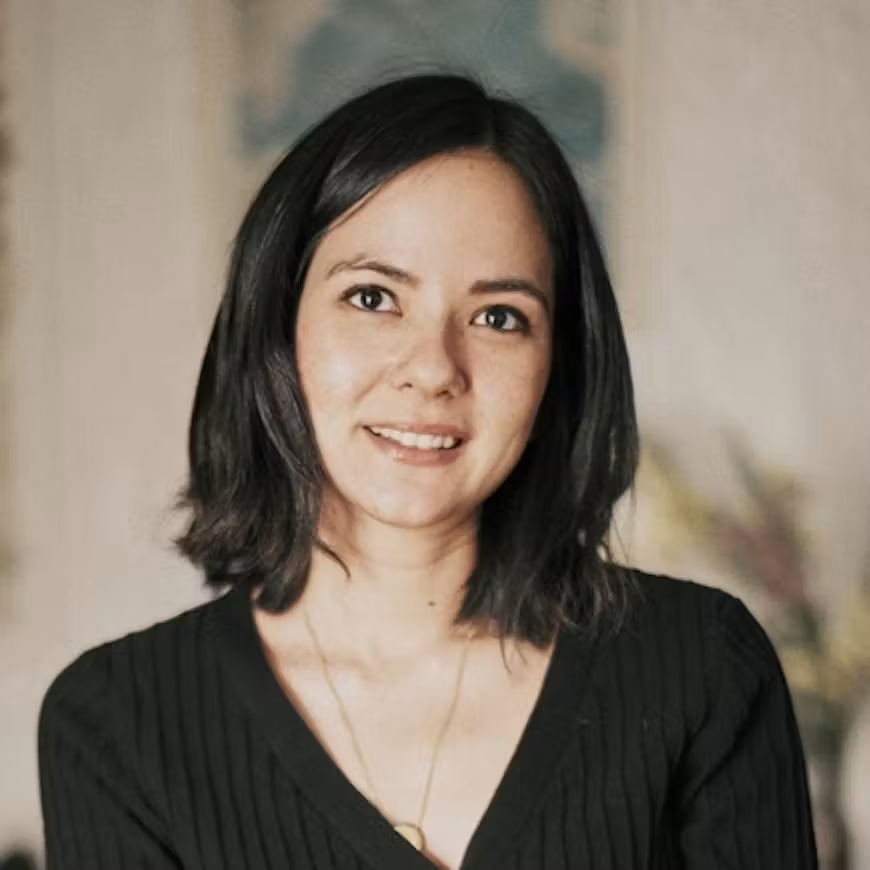
Kathy MacLeod is an illustrator and cartoonist, and the author of Continental Drifter, an award-winning middle-grade graphic novel about growing up between Thailand and the United States. Winner of the American Library Association’s Asian/Pacific American Award for Children’s Literature, Continental Drifter explores bicultural identity, family, and the search for belonging. MacLeod’s work has appeared in The Believer, Catapult, The Hairpin, and Lucky Peach.
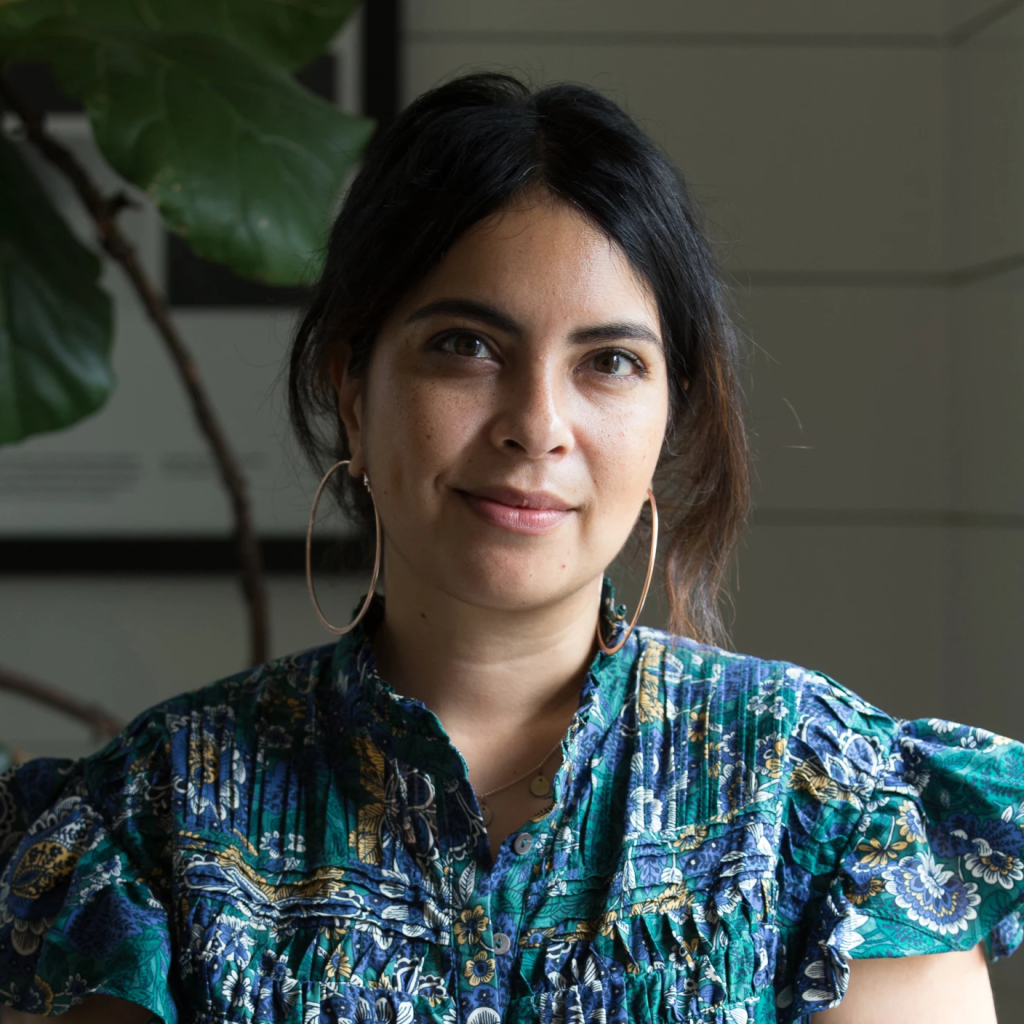
Malaka Gharib is a journalist, cartoonist, and graphic novelist. She is the author of I Was Their American Dream, a graphic memoir about growing up as a first-generation Filipino Egyptian American, which won the 2020 Arab American Book Award, and It Won’t Always Be Like This, a graphic memoir about her childhood summers in the Middle East. Her comics, zines, and writing have appeared in The New Yorker, The Nib, The Believer, Catapult, and other publications.
Moderator
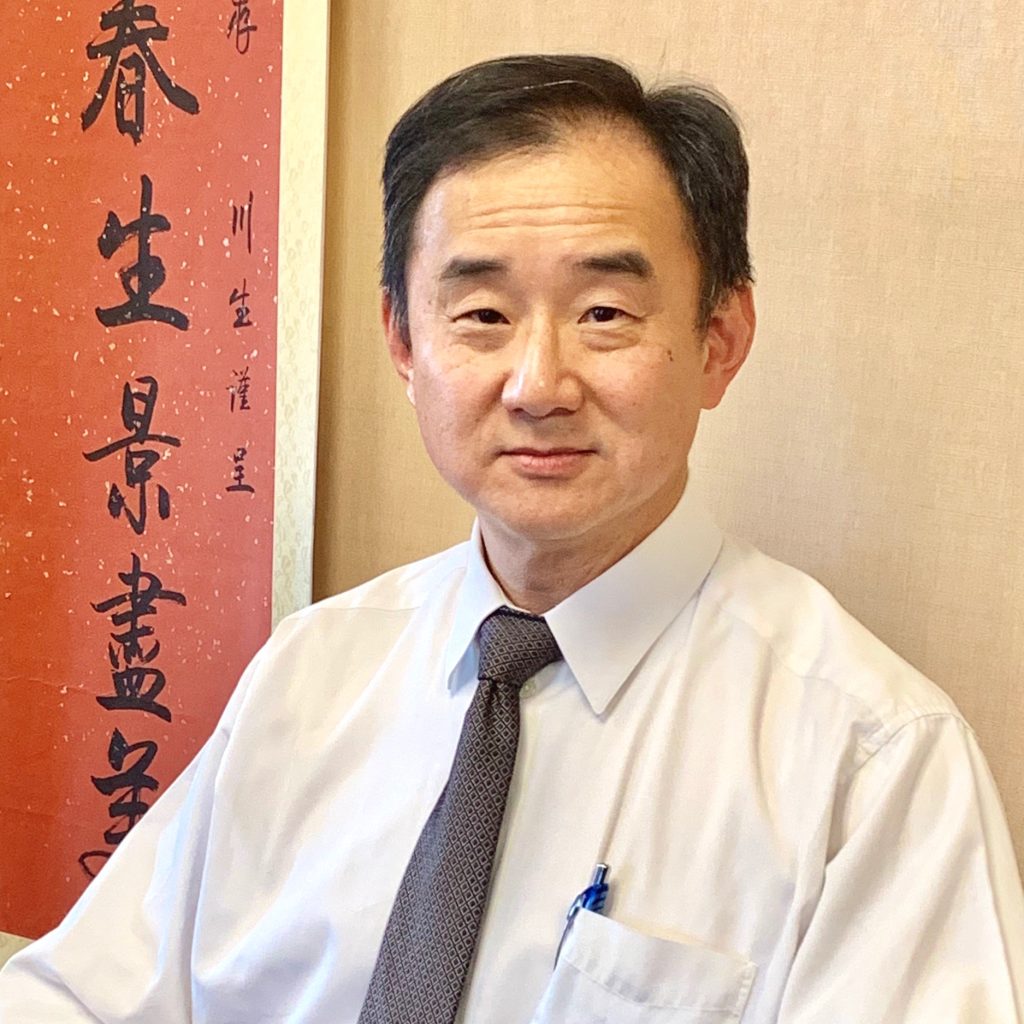
David Yao is USCET’s administrator, overseeing staff matters and general operations. Trained in graphic design, he previously worked as an art director at Porter/Novelli, where he designed the U.S. Department of Agriculture’s “Food Pyramid,” which the federal government used for more than two decades. He also served as Senior Vice President of the Council for International Cooperation (CIC), managing programs related to U.S.-China relations, education, Chinese culture, and Asian American issues. Yao remains active in Washington-area arts, cultural, and civic organizations.
Asian American author series
USCET’s Asian American Authors Series brings outstanding Asian American authors to Chinese audiences to introduce their literary works and discuss their experiences with American multiculturalism. This series was launched in November 2012 with award-winning Chinese American Author Gish Jen at Beijing Foreign Studies University. Following the successful launch, USCET brought a number of other acclaimed Asian American authors to China, including Shawn Wong (2013), Helen Zia (2017), Cheryl Tan (2018), Karen Yamashita (2018), and Shirley Lim (2018).