
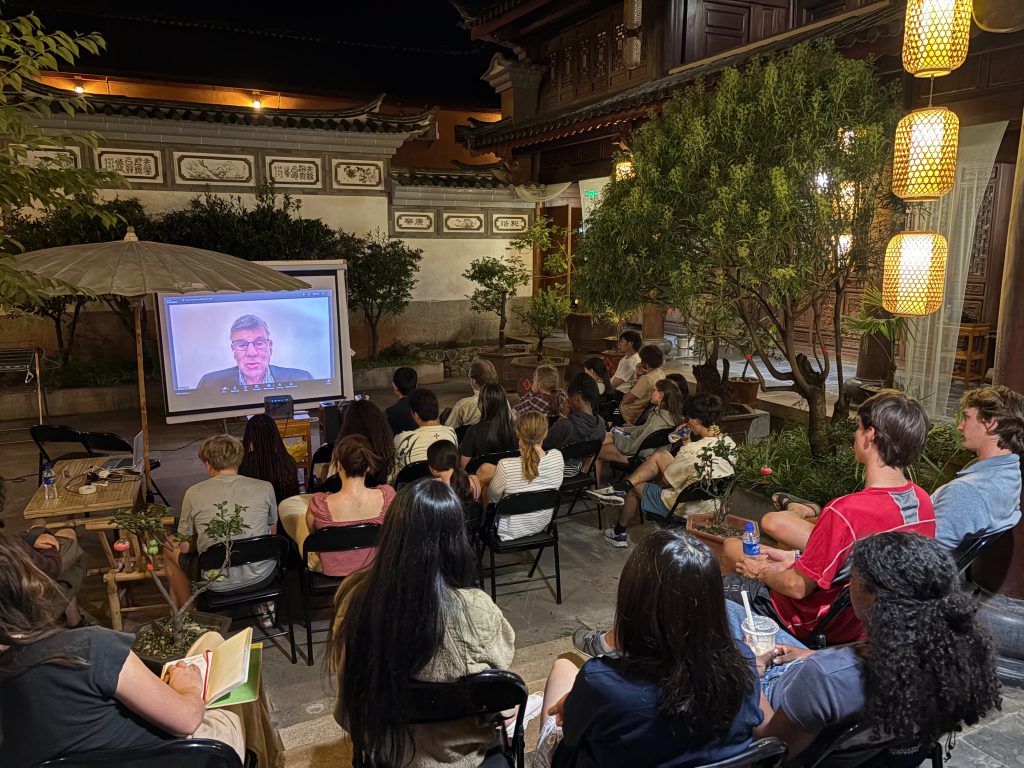
On July 20, USCET hosted a virtual webinar on the state of social science fieldwork in China, in partnership with the Society for the Social Science Study of China (SSSSOC). The event brought together scholars who have recently completed fieldwork in China or who continue to conduct research there, offering perspectives on how researchers are navigating a more constrained environment. The discussion followed the launch of USCET’s Resource Hub for U.S. Academic Travel to China, a public resource designed to provide practical guidance and information for students and scholars planning academic travel to China.
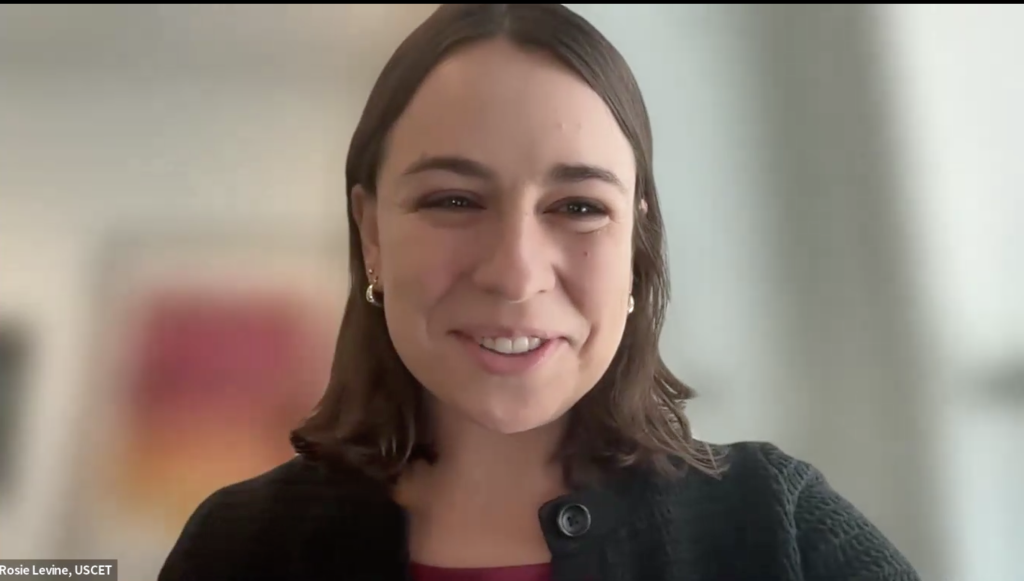
USCET’s Executive Director Rosie Levine opened the event by emphasizing the range of ways scholars study China today, from traditional fieldwork and archival research to digital methods and the study of diaspora networks. She noted that while academic travel has resumed after the pandemic, access has become more complicated amid a restrictive research environment. Levine highlighted the Resource Hub as part of USCET’s broader effort to support the next generation of China specialists by providing practical information and guidance for researchers.
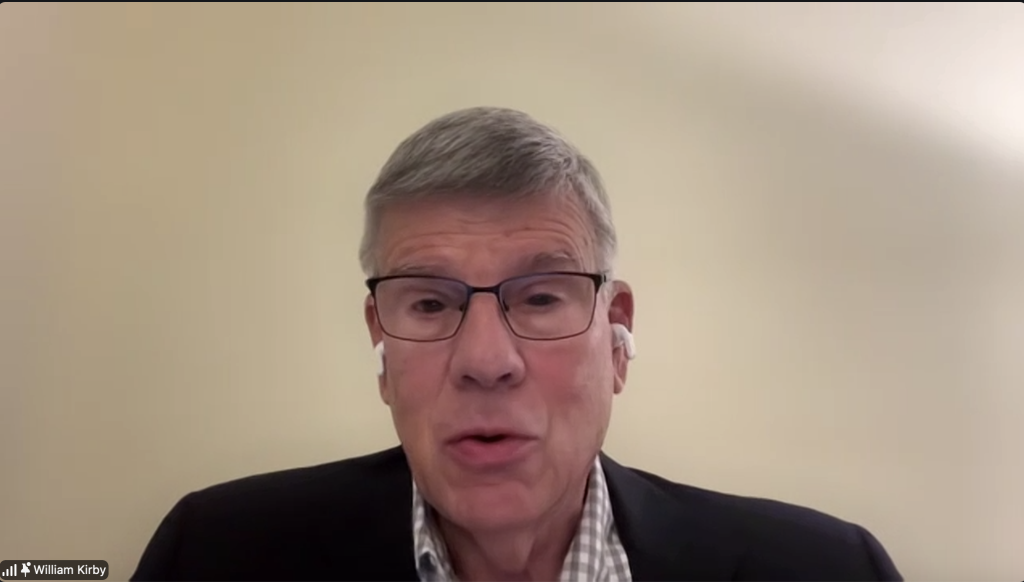
The event’s keynote address was delivered by William Kirby, the T.M. Chang Professor of China Studies at Harvard University and Spangler Family Professor of Business Administration at Harvard Business School. A historian by training, Kirby placed the current challenges of fieldwork in China within a longer historical context, reflecting on periods of greater openness and restriction throughout the history of U.S.-China academic exchange. He recalled his early years as a scholar, when access to mainland China was limited and researchers relied on locations such as Hong Kong and Taiwan to study the country. He also described the greater openness of the 1980s and 1990s, when scholars gained unprecedented access to archives.
“Researchers have to deal with the world as it is, not as we would like it to be.” – William Kirby
Kirby argued that today’s research environment has become increasingly complicated due to restrictions on access, surveillance, data regulations, and concerns about academic travel and collaboration. He noted that challenges exist on both sides of the Pacific, with Chinese researchers facing their own restrictions. American scholars have also encountered declining federal support for China-related research, including cuts to Title VI programs. He emphasized that researchers must engage with the world as it exists. Drawing from his own experience writing more than 65 Harvard Business School cases on companies in and around China, Kirby highlighted the importance of finding practical ways to continue research collaboration.
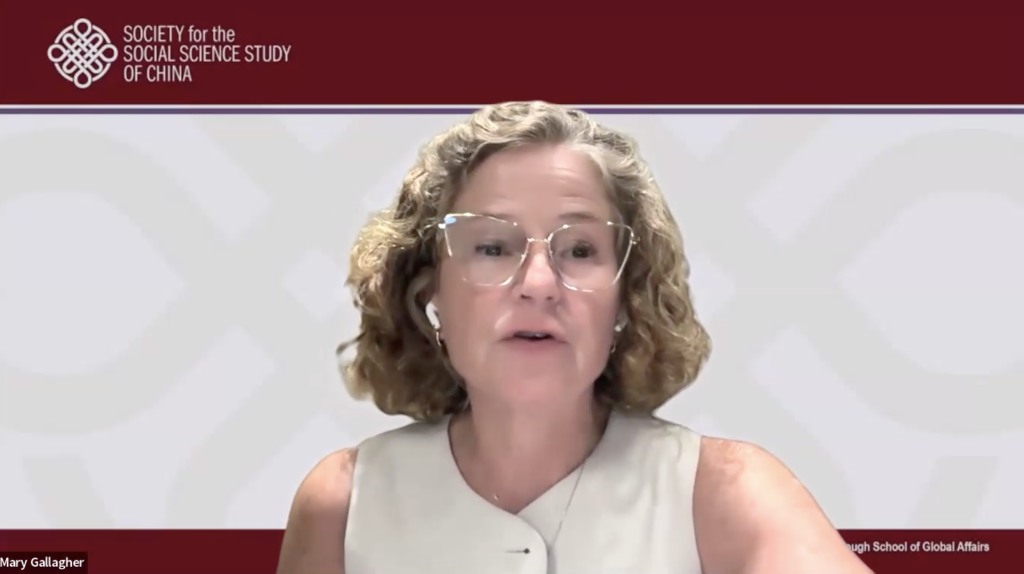
Mary Gallagher, Professor of Global Affairs and Marilyn Keough Dean of the Keough School of Global Affairs at the University of Notre Dame, introduced the panel discussion and highlighted the shared mission between USCET and SSSSOC, an organization created to support interdisciplinary research on contemporary China and to build networks among scholars studying China across disciplines and generations.
The panel featured Jessica Teets, Professor at Middlebury College, Tyler Harlan, Associate Professor at Loyola Marymount University, and Taisu Zhang, Professor at Yale Law School.
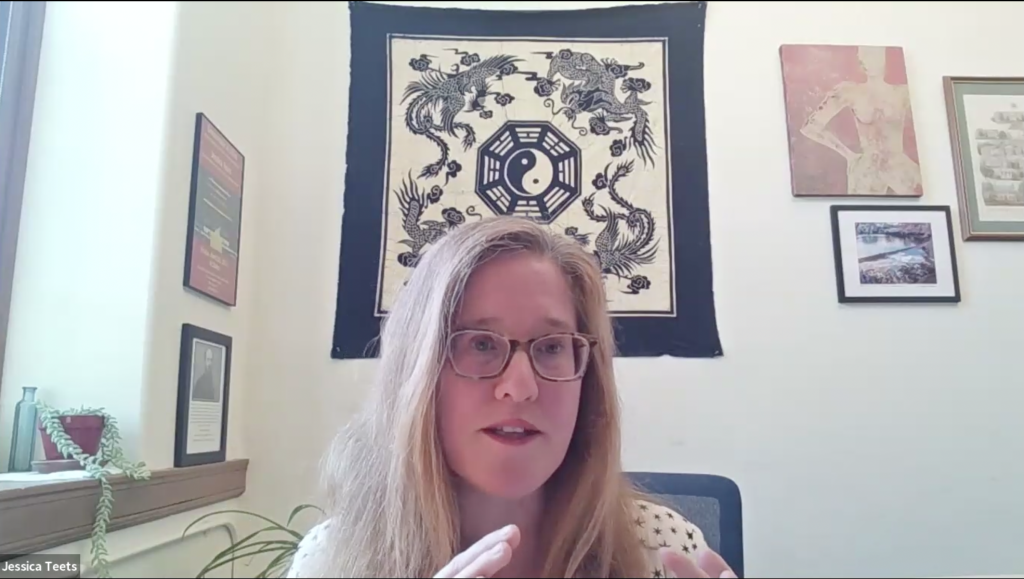
Discussing the current landscape for fieldwork in China, Teets emphasized that some aspects of research have remained consistent while others have become more difficult. She noted that access has always varied depending on who researchers seek to interview and that institutional affiliation, particularly with well-known universities, continues to matter. At the same time, she argued that the overall level of sensitivity and uncertainty has increased, with issues that previously only arose during politically sensitive moments now affecting everyday research. She highlighted the importance of research teams, new forms of data, and building trust.
Harlan similarly emphasized continuity alongside growing challenges. Drawing on his experience conducting research in China since 2008, he noted that certain forms of fieldwork, particularly interviews with officials, have become more difficult following developments such as the anti-corruption campaign. He explained that researchers increasingly need to remain flexible and open to informal conversations that can develop into research opportunities. While some avenues have narrowed, Harlan noted that Chinese scholars continue to be interested in collaboration, and that new areas of research, including global China studies, have expanded opportunities beyond traditional fieldwork models.
“It felt like nine months of relationship building and a month of actual fieldwork” – Tyler Harlan
Zhang, who has returned to China for extended research periods since 2022, emphasized the growing importance of personal networks and how a researcher’s identity and legal status in China can affect access. He explained that his own status as a Chinese citizen has influenced how potential contacts perceive him, making certain interactions easier than they might be for foreign researchers. He noted that while researchers previously might have been able to contact institutions directly, access increasingly depends on personal connections. Zhang stressed that researchers must recognize that Chinese colleagues and contacts may face greater risks than before and should be mindful of the pressures those individuals experience.
“You will not get anywhere nowadays, I think, doing research in China without having a chain of personal connections who can vouch for your reliability.” – Taisu Zhang
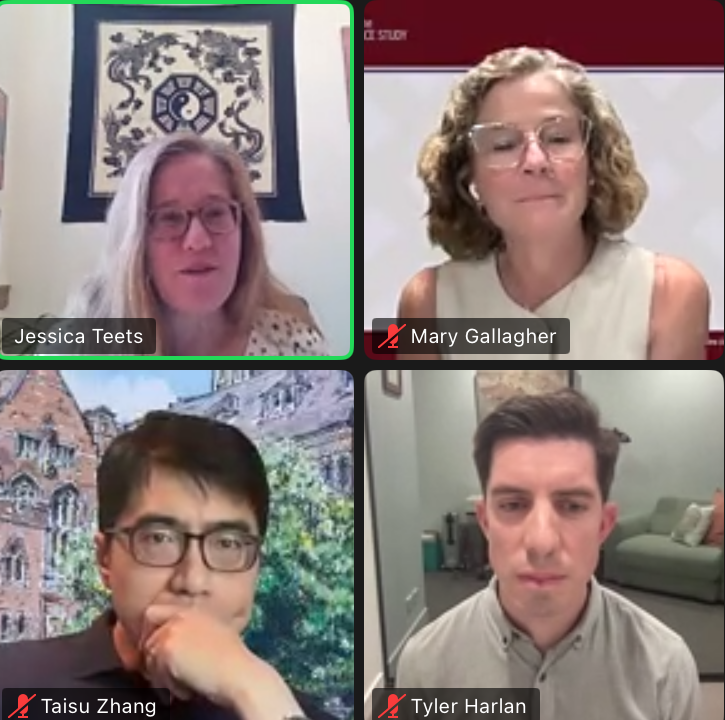
The panel also discussed how researchers can maintain academic credibility while navigating both Chinese and American institutional environments. Harlan emphasized that scholars should seek to present China accurately and engage with research partners without sacrificing critical analysis. Zhang discussed the importance of writing objectively and avoiding financial relationships with Chinese institutions beyond limited expenses such as travel reimbursement. Teets highlighted challenges related to institutional review boards and research compliance processes in the United States, explaining that scholars often need to educate their institutions about the realities of conducting research in China. She also discussed the importance of protecting collaborators, including keeping raw research data within China and carefully considering language choices that may create unnecessary risks.
During the Q&A session, panelists offered practical advice for junior scholars. They emphasized that building relationships is often the foundation of successful research and can begin through advisors, academic conferences, workshops, and connections with local universities. Teets also noted that Chinese PhD students often need opportunities to publish and conduct research, creating possibilities for collaboration. Harlan encouraged prospective PhD students to spend time developing relationships before beginning formal fieldwork, noting that successful research often requires months of building trust before interviews and data collection begin.
Levine concluded the event by thanking the panelists and attendees and welcomed the opportunity to continue discussing these issues in future panels.
USCET’s Resource Hub for U.S. Academic Travel to China can be found at this link: https://uscet.org/resource-hub/
Speaker Biographies
Keynote
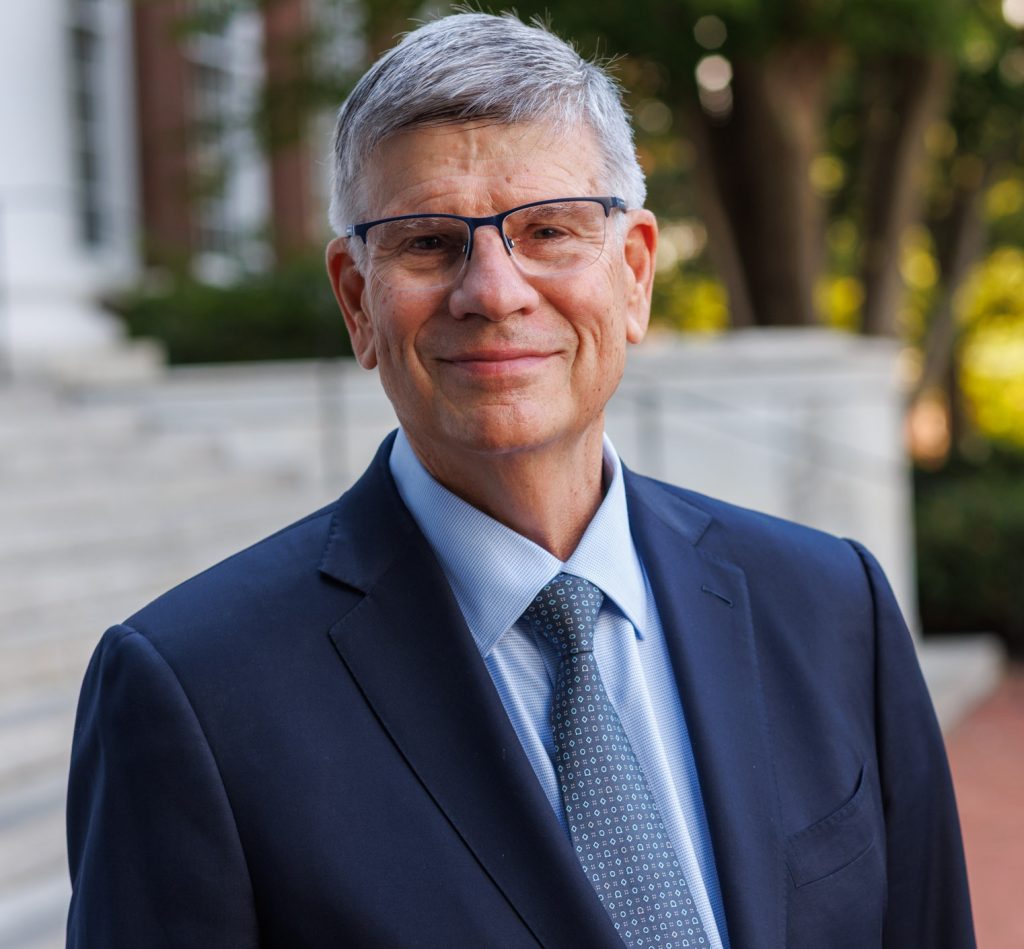
William C. Kirby is T. M. Chang Professor of China Studies at Harvard University and Spangler Family Professor of Business Administration at the Harvard Business School. He is a Harvard University Distinguished Service Professor. He serves as Chair of the Harvard China Fund and the Harvard Center Shanghai. A historian and former dean of Harvard’s Faculty of Arts and Sciences, his research and consulting focus on strategies for business and education in China. He is past chair of the Board of Directors of the American Council of Learned Societies and Harvard University Press. He presently chairs the Board of Directors of Harvard Magazine and of The Taiwan Fund, Inc. He serves on the Board of Directors of Cabot Corporation and Schwarzman Scholars at Tsinghua University. He served as Senior Advisor on China to Duke University in the founding of Duke Kunshan University and presently sits on its Advisory Board. His latest books include Can China Lead? (Harvard Business Review Press); China and Europe on the New Silk Road (Oxford University Press); and, most recently, Empires of Ideas: Creating the Modern University from Germany to America to China (Belknap Press of Harvard University Press). He is a fellow of the American Academy of Arts and Sciences.
Moderator
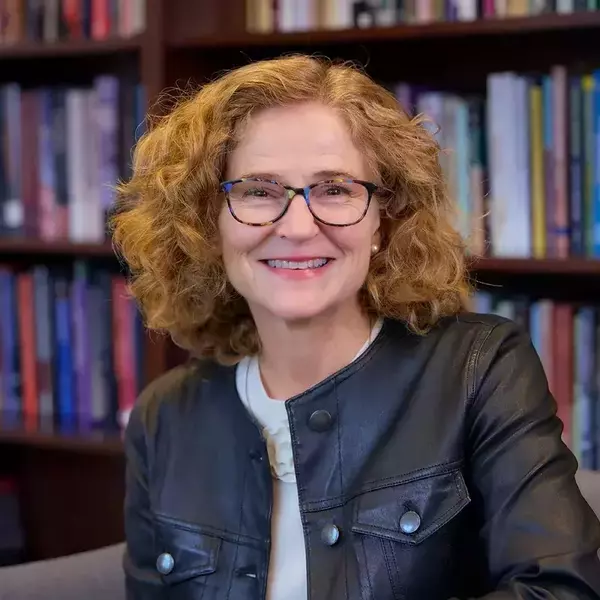
Mary Gallagher is professor of global affairs and the Marilyn Keough Dean of the Keough School of Global Affairs at the University of Notre Dame. Previously she directed the International Institute at the University of Michigan where she was also the Amy and Alan Lowenstein Chair in Democracy, Democratization and Human Rights. Gallagher earned her Ph.D. in politics from Princeton University and her B.A. in government and East Asian studies from Smith College. Her international experience includes teaching at the Foreign Affairs College in Beijing and visiting professorships at East China University of Politics and Law in Shanghai and at the KoGuan School of Law at Shanghai Jiao Tong University. She is a nonresident senior fellow at the Brookings Institution, a member of the National Committee on U.S.-China Relations, and a consultant for the U.S. Department of State, and the U.S. Department of Labor.
Panelists
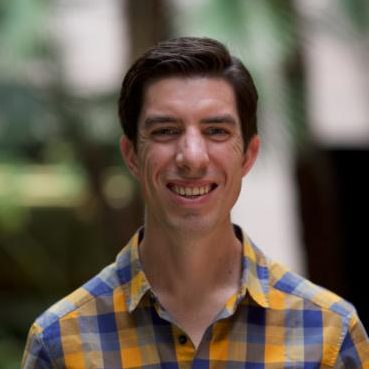
Tyler Harlan is an associate professor of urban and environmental studies at Loyola Marymount University. He studies the governance and socio-environmental implications of energy transition in China and Southeast Asia. He is a Woodrow Wilson Centre China Fellow and Fulbright China Fellow, and his research has been published in The China Quarterly, Global Environmental Change and Annals of the American Association of Geographers.
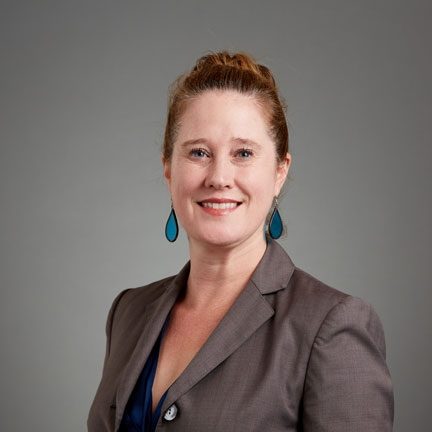
Jessica C. Teets is a Professor at Middlebury College, and Guang Biao Distinguished Chair Professor at Zhejiang University (浙江大学光彪讲座教授). Her research focuses on governance in authoritarian regimes, especially the role of civic participation and advocacy. She is the author of Civil Society Under Authoritarianism: The China Model (Cambridge University Press, 2014), editor (with William Hurst) of Local Governance Innovation in China: Experimentation, Diffusion, and Defiance (Routledge Contemporary China Series, 2014), and editor (with Max Grömping) of Lobbying the Autocrat: the Dynamics of Policy Advocacy in Nondemocracies (University of Michigan Press, 2023), in addition to articles published in The China Quarterly, World Politics, Governance, and the Journal of Contemporary China among others. Dr. Teets currently has a new book manuscript (with Dr. Xiang Gao) forthcoming on changing governance under Xi Jinping, tentatively entitled Beyond Fragmented Authoritarianism, and is organizing the 5th wave of the Civic Participation in China survey.
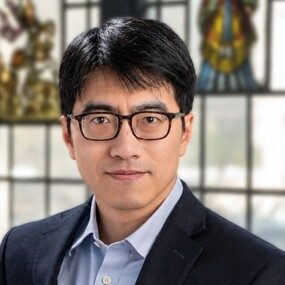
Taisu Zhang is a Professor of Law at Yale Law School and works on comparative legal and economic history, private law theory, and contemporary Chinese law and politics. He is the author of two books, The Ideological Foundations of Qing Taxation: Belief Systems, Politics, and Institutions (Cambridge University Press, 2023), and The Laws and Economics of Confucianism: Kinship and Property in Pre-Industrial China and England (Cambridge University Press, 2017). These are the first two entries in a planned trilogy of books on the institutional and cultural origins of early modern economic divergence.Zhang’s academic articles and essays have recently appeared in journals such as the Journal of Legal Studies, the Journal of Legal Analysis, the Yale Law Journal, and the Harvard Law Review. Zhang is also Global Faculty member at Peking University Law School, and has taught at the Duke University School of Law, the University of Hong Kong, Brown University, and the Tsinghua University School of Law. He serves as co-editor of Studies in Legal History, and a regular commentator on law and politics in media outlets, in both English and Chinese.
University.