
Session One
December 3, 09:00-11:20 Beijing | December 2, 20:00-22:20 Washington DC
Opening Remarks
Julia Chang Bloch
Executive Chair and Founder of U.S.-China Education Trust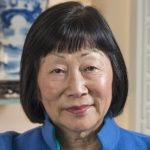
Keynote: War Memory and History Writing in China and the West
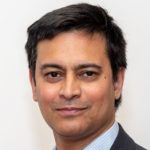
Rana Mitter
S.T. Lee Professor of U.S.-Asia Relations, Harvard UniversityProfessor Mitter will discuss the conceptualization and writing of China’s war of resistance against Japan as part of Western World War II historiography, expounding on the changes and evolution in academic research and public memory. Drawing on his scholarship, Mitter will explore the extent of cooperation between China and the United States in defeating Japan in the Asia-Pacific Theater and also unpack the significance of the differences in war memory along with its implications for the current bilateral relationship.
Fireside Chat
Rana Mitter
S.T. Lee Professor of U.S.-Asia Relations, Harvard University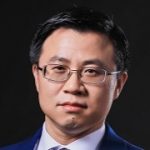
Wang Dong
Professor of International Studies, Peking UniversityIn this conversation, leading academics from both sides of the Pacific will discuss how World War II is taught, remembered, and commemorated in the United States and China. They explore the political, cultural, and educational factors that shape divergent historical narratives and consider whether shared historical understanding is possible – or even necessary – for managing contemporary relations.
Panel One: Remembering WWII Across the Pacific – Memories and Legacies
This panel brings together cultural historians, filmmakers, and experts to examine how institutions and individuals preserve and present the story of U.S.-China wartime cooperation. Panelists will discuss how documentary films, museum exhibitions, and literature shape public understanding of the alliance, and explore the challenges of keeping this history alive for new generations amid contemporary geopolitical tensions.
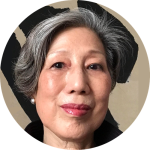
Melinda Liu
Beijing Bureau Chief, NewsweekModerator

Emily Matson
Professorial Lecturer, Elliott School of International Affairs; Adjunct Lecturer, Georgetown University Department of HistoryPanelist
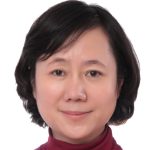
Zhao Mei
Deputy Editor-in-Chiefof the American Studies,
Chinese Academy of Social Sciences
Panelist
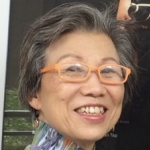
Shirley Sun
Filmmaker,Vinegar Joe
(General Stillwell in China)
Panelist
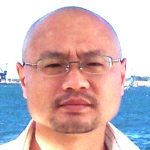
Zhu Hua
Professor,Shanghai Ocean University
Panelist
Session Two
February 2, 09:00-11:10 Beijing | February 1, 20:00-22:10 Washington DC
Keynote: Cold War to Cold War? Legacy of Post-WWII World Order
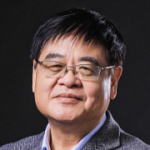
Wang Jisi
Founding President, Institute of International and Strategic Studies; Professor, Peking UniversityProfessor Wang will discuss how the relationship between China and the United States has evolved from when both countries were allies in the war against Japan, through the Chinese Civil War and the Cold War, to the present day. Drawing on his scholarship, Wang will explore the answers to these questions: What is the legacy of post-World War II U.S.-China relations for today? How can a historical perspective from the post-WWII era and the Cold War inform how both countries navigate the contemporary environment of strategic competition?
Fireside Chat
Wang Jisi
Founding President, Institute of International and Strategic Studies; Professor, Peking University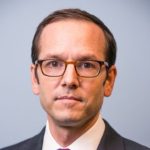
Evan Medeiros
Professor and Penner Family Chair in Asian Studies, School of Foreign Services, Georgetown UniversityIn this conversation, leading strategic thinkers from both sides of the Pacific discuss the factors and the history behind the transformation of U.S.-China relations and each other’s foreign policy over the decades. They will explore how post-war U.S.–China cooperation unraveled into strategic confrontation; whether today’s tensions echo that rupture or represent something new; and what lessons from the Cold War might guide the choices our countries face now.
Panel Two: From Allies to Competitors: Tensions in the US-China Relationship
Eighty years after fighting alongside each other, the United States and China now view each other as strategic competitors. This panel of distinguished historians, former military and diplomatic officials, and policy experts examines the roots of contemporary tensions, assesses the risk of conflict, and explores whether the memory of past cooperation offers any pathway toward managing present rivalry. Panelists will provide frank assessments of trade tensions, military competition, and ideological differences, while considering what guardrails might prevent competition from escalating into confrontation.
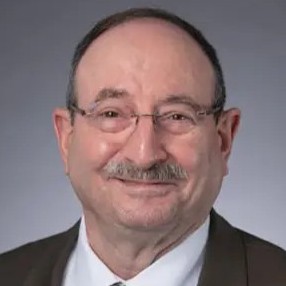
David Finkelstein
Distinguished research fellow for National Security Affairs, Center for Naval AnalysesModerator
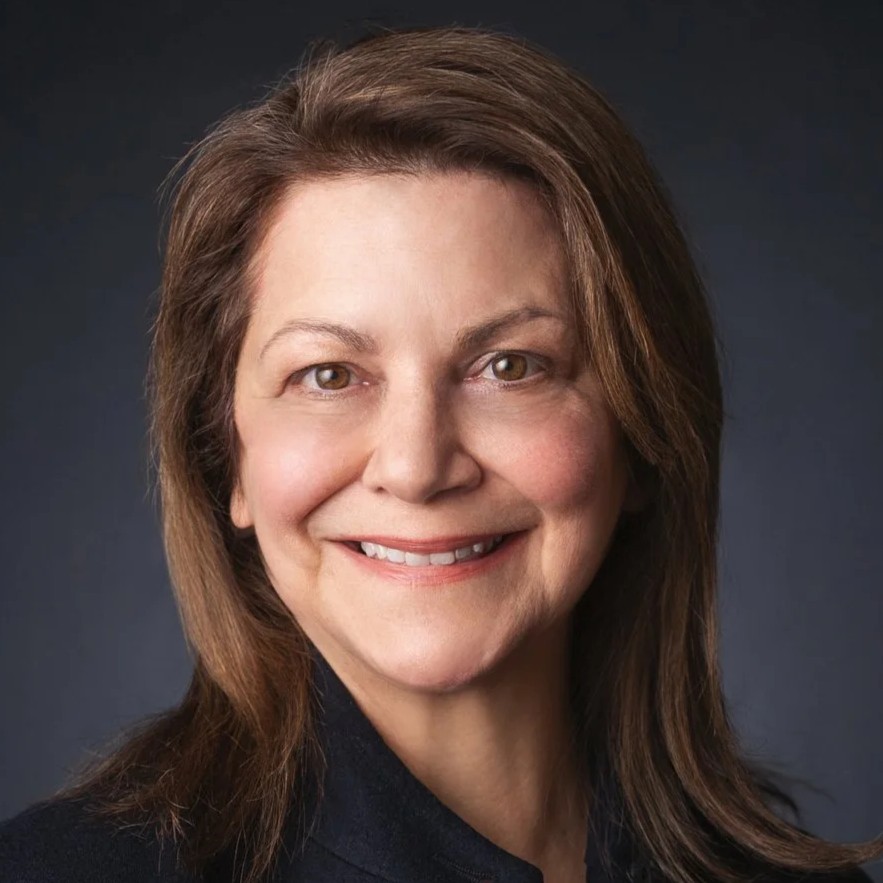
Carla Freeman
Director of the Foreign Policy Institute and senior lecturer for International Affairs at Johns Hopkins UniversityPanelist
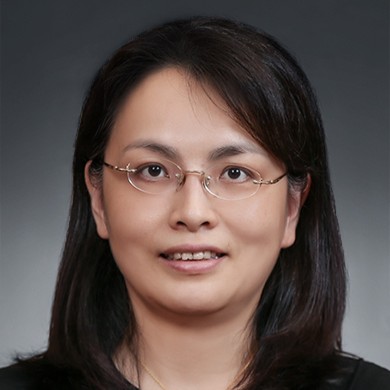
Shao Yuqun
Senior research fellow, Center for American Studies at Shanghai Institutes for International StudiesPanelist
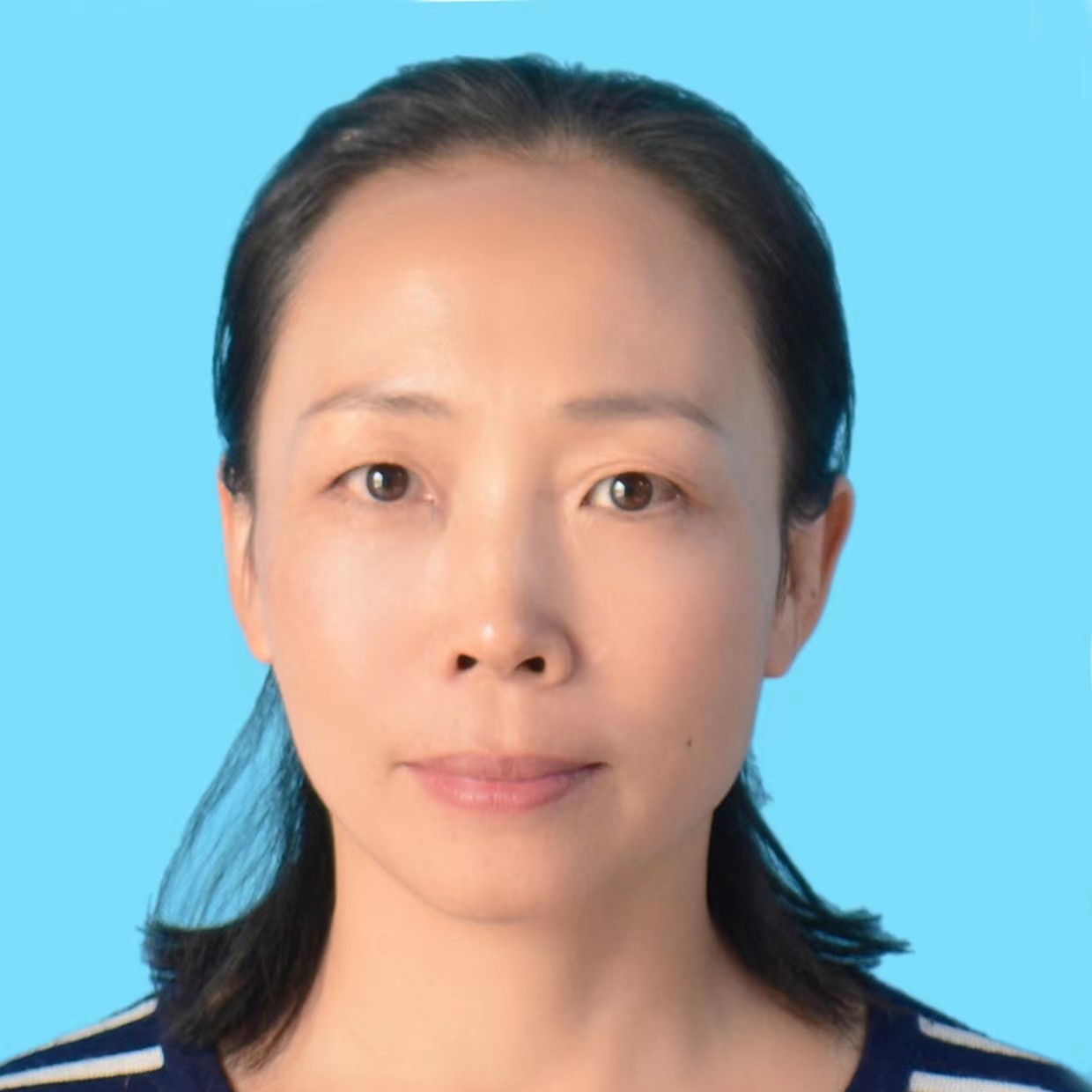
Zhang Ling
Senior Colonel (Ret.); Former associate professor, National Security College, National Defense UniversityPanelist
Film Screening: A clip from Vinegar Joe and remarks by the filmmaker
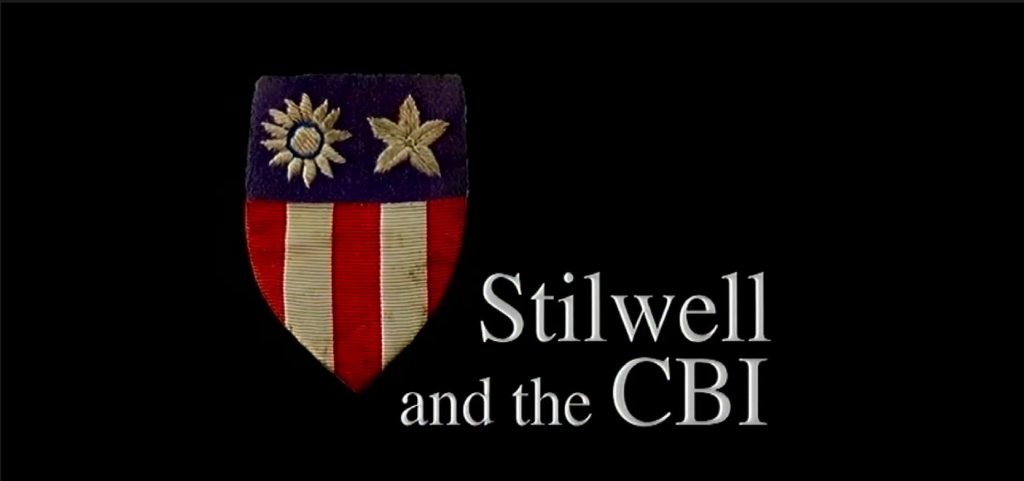
Written, directed, and produced by Shirley Sun, Vinegar Joe is a documentary film that explores the enduring legacy of General Joseph Stilwell and the critical cooperation between the U.S. and China during World War II. Through visceral archival video and photography, the film brings the harrowing reality of the China-Burma-India Theater to life, highlighting Stilwell’s pivotal role in China’s defense against the Japanese Empire.
This program was made possible with generous support from the Luce Foundation.