
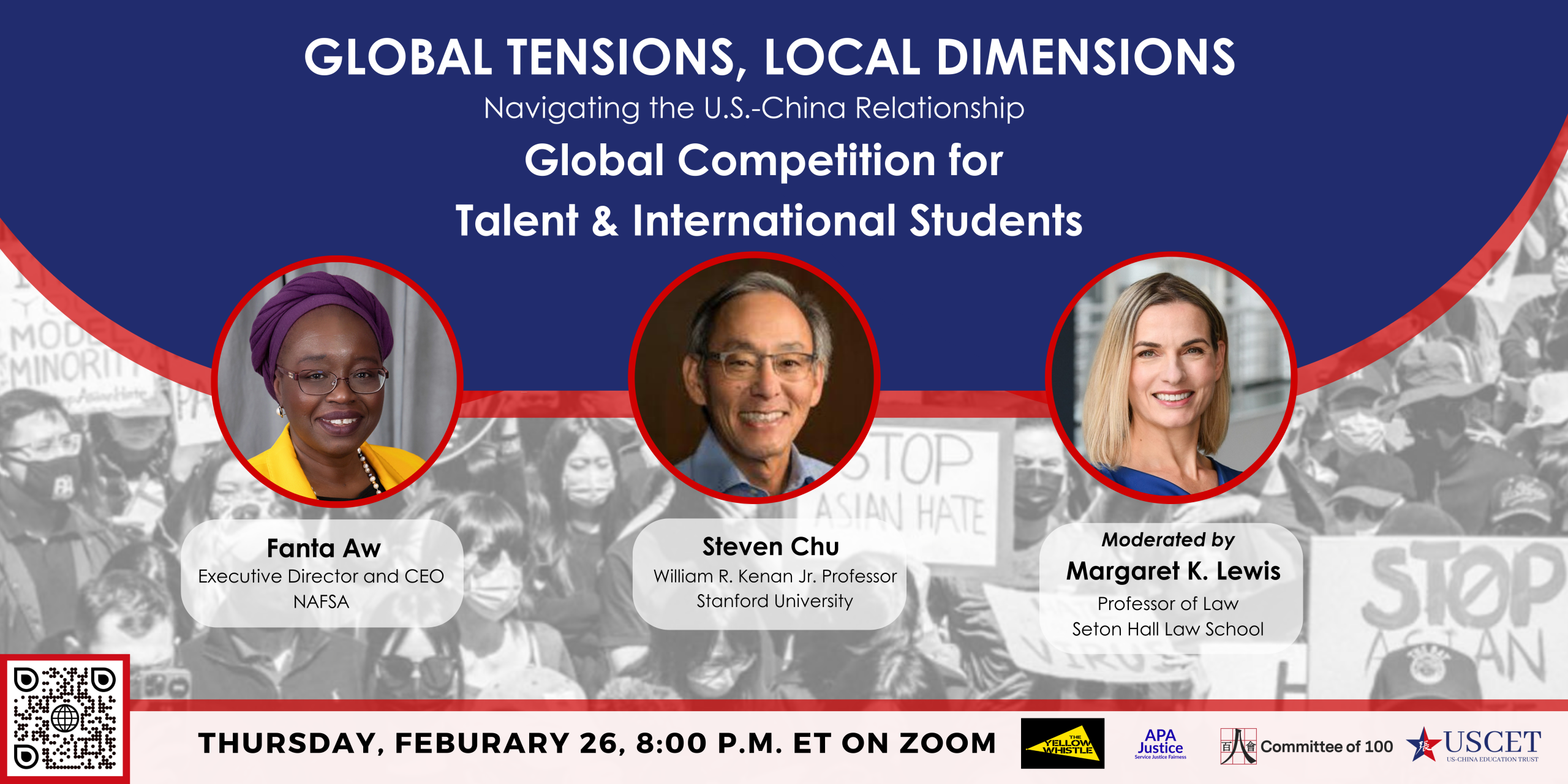
Thursday, FEBRUARY 26 | 8:00 – 9:00 PM ET | Virtual via Zoom
As geopolitical competition intensifies between the United States and China, the flow of talent and students across borders has become a critical flashpoint. International students – particularly those from China – have enriched American universities, driven innovation, and strengthened people-to-people ties. Yet today, visa restrictions, security concerns, and shifting immigration policies are reshaping the landscape. At the same time, China and other nations are competing aggressively to attract global talent, transforming higher education into an arena of strategic competition. Chinese American students and scholars increasingly find themselves caught in the middle – facing heightened scrutiny, profiling, and questions about their loyalty.
This webinar will examine how the U.S.-China relationship is affecting international student mobility, university partnerships, and the global competition for talent. What are the implications of competition for American universities, research ecosystems, and soft power? How are students and scholars navigating new restrictions and uncertainties? How can policies balance openness and U.S. competitiveness?
Join APA Justice, Committee of 100, and the US-China Education Trust on Feb 26, 8:00 – 9:00 PM ET for a discussion with leading experts on international education and U.S.-China relations, including Dr. Fanta Aw from NAFSA and Dr. Steven Chu from Stanford University, moderated by Maggie Lewis from Seton Hall University.
Speaker Biographies
Panelists
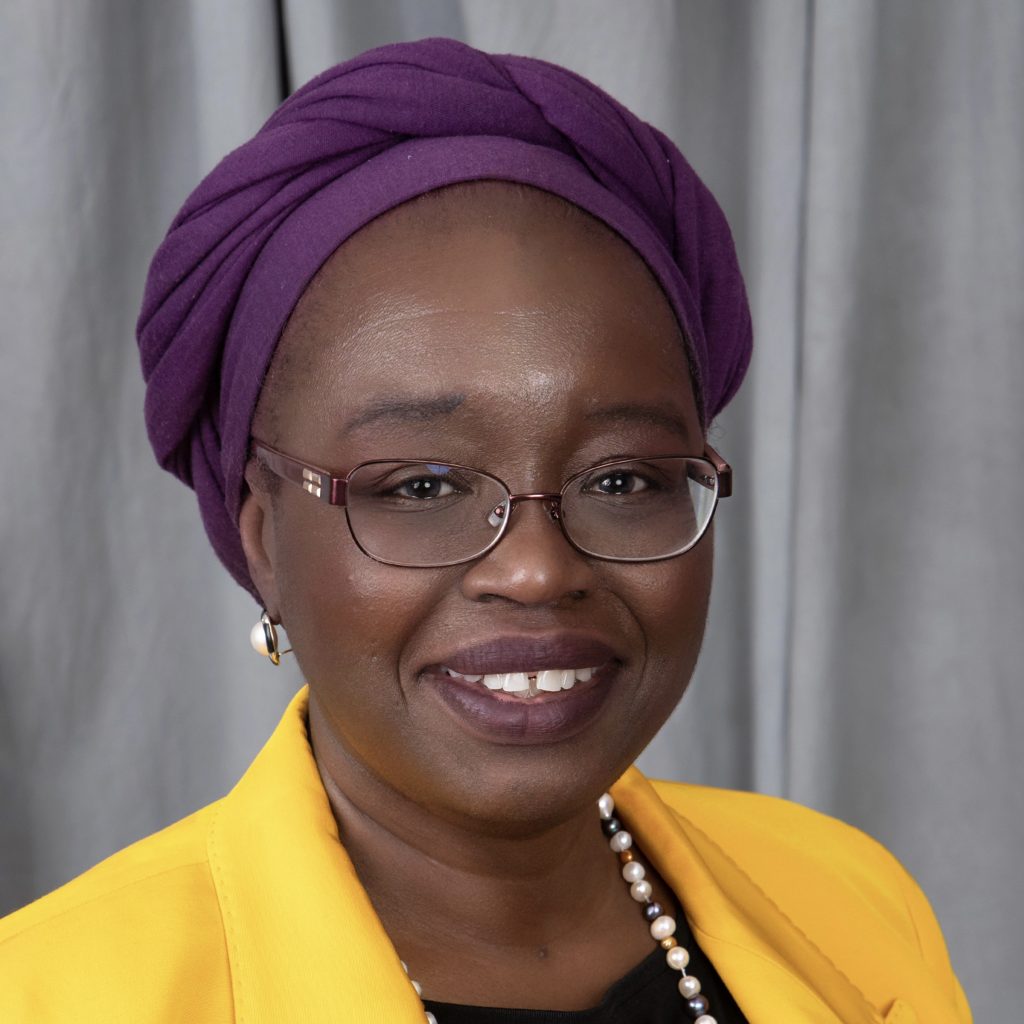
Dr. Fanta Aw currently serves as the executive director and CEO of NAFSA: Association of International Educators, having previously held its presidency from 2013 to 2016. She often serves as a keynote speaker, sharing her expertise on various topics, including internationalization; international educational exchange; diversity, equity, and inclusion; global trends; and more.
During her extensive tenure at AU, Dr. Aw held several leadership positions, including serving as the vice president of undergraduate enrollment, campus life, and inclusive excellence. She has been recognized as an award-winning lecturer while holding the title of Hurst Senior Professorial Lecturer at AU’s School of International Service. In 2023, her significant contributions to AU were honored with the Neil Kerwin Alumni Achievement Award.
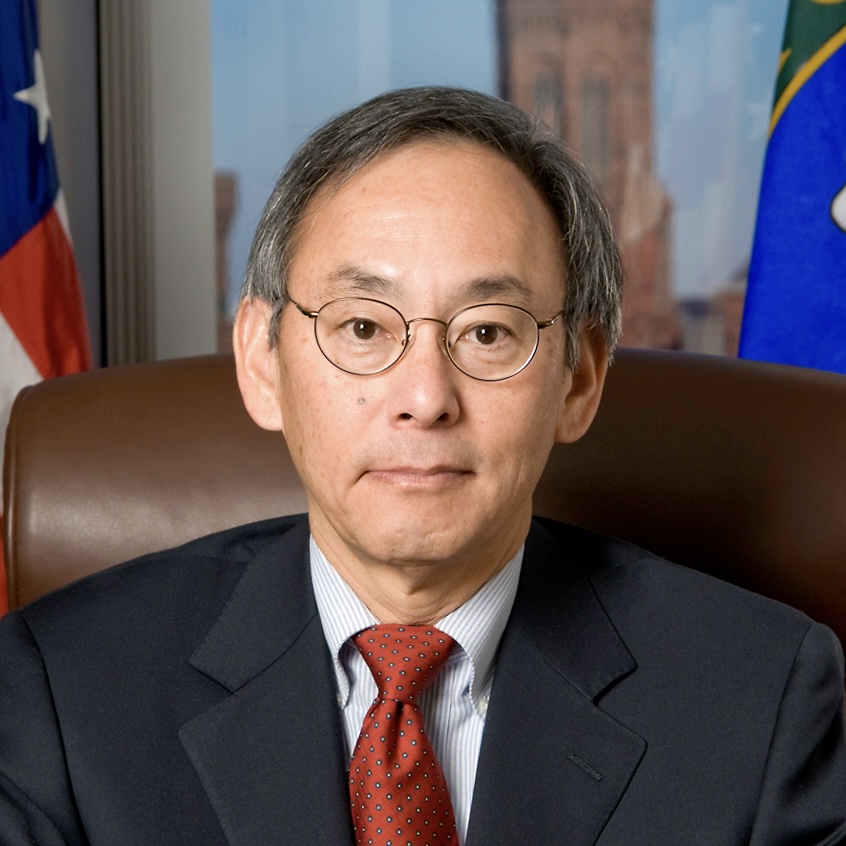
Dr. Steven Chu is the William R. Kenan, Jr. Professor of Physics, of Molecular and Cellular Physiology, and of Energy Science and Engineering at Stanford University.
From January 2009 to April, 2013, Dr. Chu served as U.S. Secretary of Energy under President Barack Obama. During his tenure, he began several initiatives, including ARPA-E (Advanced Research Projects Agency – Energy), the Energy Innovation Hubs, and the Clean Energy Ministerial meetings. As the first scientist Cabinet member, Dr. Chu recruited dozens outstanding scientists and engineers to the Department of Energy, and was personally tasked by President Obama to help stop the BP Oil leak.
He has received many awards, including the 1997 Nobel Prize for laser cooling and optical trapping of atoms.
Moderator
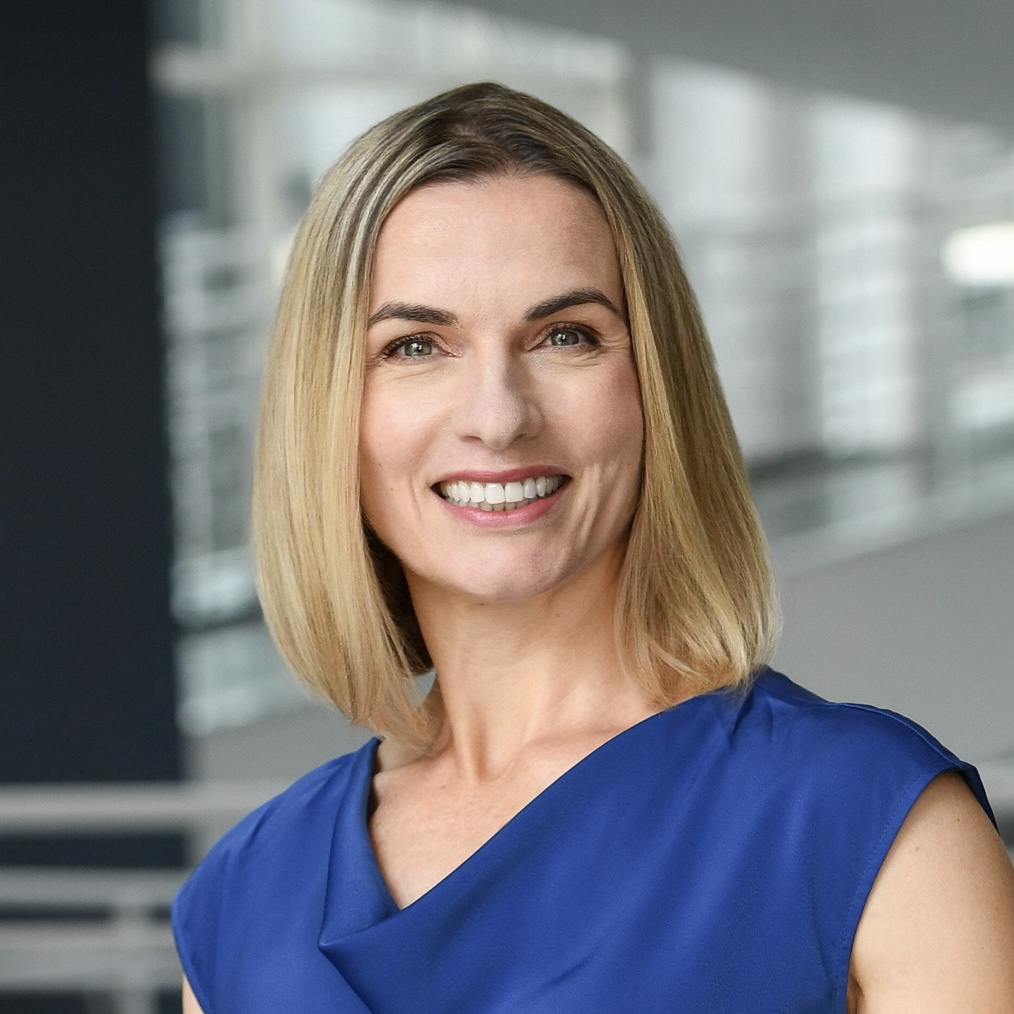
Maggie Lewis’s research focuses on China and Taiwan, with an emphasis on criminal justice, human rights, and legal issues in the U.S.-China relationship. She is spending 2025 on sabbatical as a Visiting Academic Researcher at Melbourne Law School’s Asian Law Centre and is a member of the Council on Foreign Relations as well as a Board Member and Public Intellectual Program fellow with the National Committee on U.S.-China Relations.
Lewis has robust academic and private sector experience, from a Fulbright Senior Scholarship to teaching at Academia Sinica to consulting at the Ford Foundation. In addition to publishing in academic journals, she co-authored Challenge to China: How Taiwan Abolished its Version of Re-Education Through Labor with Jerome A. Cohen.