
On Monday, March 23, USCET formally launched its expert Working Group report, “America’s China Talent Challenge: Investing in Deeper American Understanding of China” at a public event at the Elliott School of International Affairs. The event brought together a panel of Working Group members, including David M. Lampton, Madelyn Ross, Mark Lambert, Neysun Mahboubi, and Jean Oi, in a discussion moderated by USCET’s Executive Director Rosie Levine, to elaborate on the report’s methodology, key findings, and actionable recommendations.
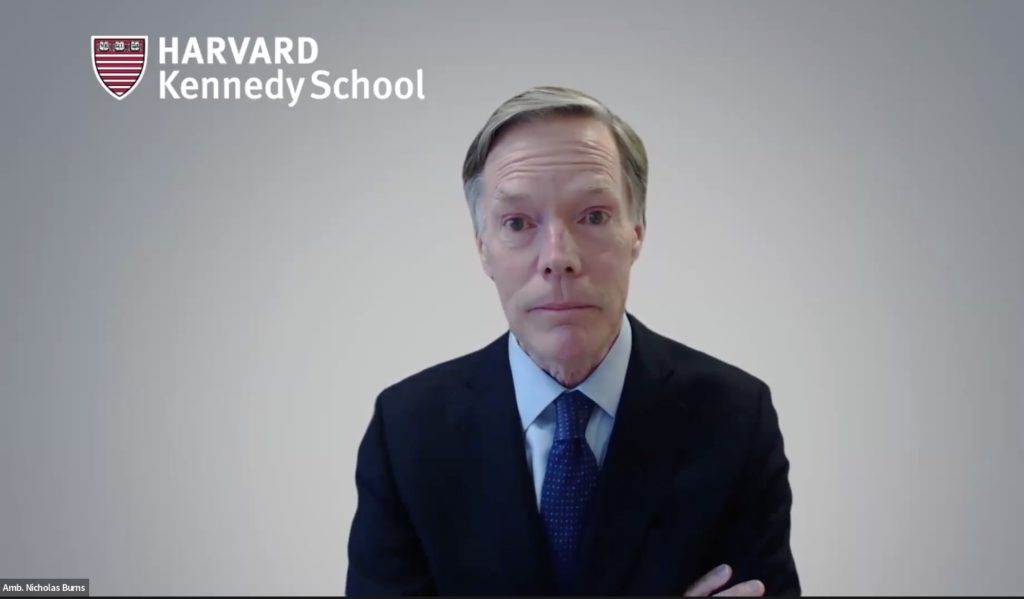
The program opened with remarks by former Ambassador R. Nicholas Burns, who underscored that developing deep American knowledge of China is a national security imperative, not merely an academic aspiration. Drawing on his own diplomatic experience, he warned that without investment now, the pipeline of China expertise will fail to meet the demands of the decades ahead. He noted that the number of U.S. students in China hit rock bottom in 2022 at around 350, and he called on stakeholders to work with Congress on the report’s recommendations, keep American doors open to Chinese students, and support joint venture institutions like NYU Shanghai, the Hopkins-Nanjing Center, and Duke Kunshan — whose work enriches classrooms and strengthens bilateral understanding.
“It will be a problem for the U.S. government, the military, the intelligence community, and Congress if we simply don’t have enough people in our society who have done what previous generations before them did: go to China.” – Ambassador R. Nick Burns
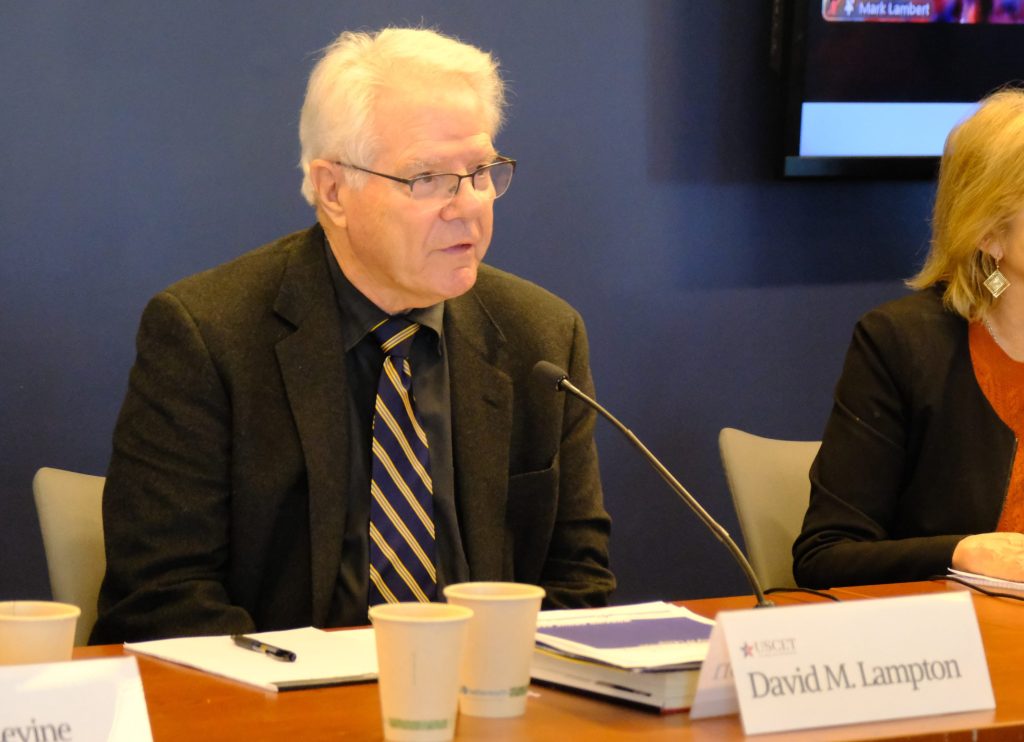
The panel elaborated on the structural forces driving this decline. Professor David M. Lampton framed the challenge around four interconnected pressures: shrinking monetary and institutional resources, tightening access within China, a deteriorating risk perception environment in the United States, and a generational pipeline that is failing to replenish itself. Mark Lambert built on this, noting that the dearth of China expertise is increasingly apparent across government, business, and civil society at precisely the moment when the stakes of the U.S.-China relationship are highest. He emphasized that while classroom and remote instruction are valuable supplements, they are not substitutes for time on the ground.
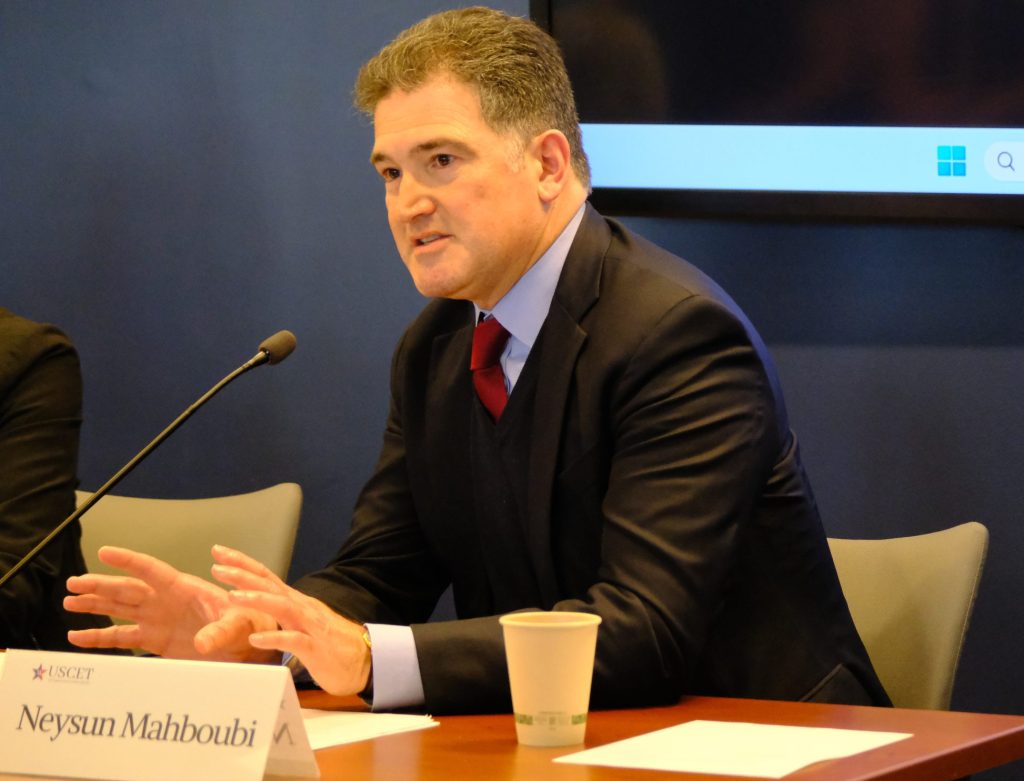
On security concerns, Neysun Mahboubi cautioned that heightened scrutiny of U.S.-China research ties is generating a broad chilling effect that extends well beyond scholars working on sensitive topics. While risks of espionage or coercion are real for certain categories of research, he argued these concerns are not proportionate to the wholesale discouragement of student engagement. A more productive response is to provide clear guidelines developed in collaboration with the U.S. government. This matters all the more given that young scholars report a genuine desire to serve the U.S. government, yet face growing uncertainty about whether their China experience will be viewed as an asset or a liability, or complicate future security clearance applications.
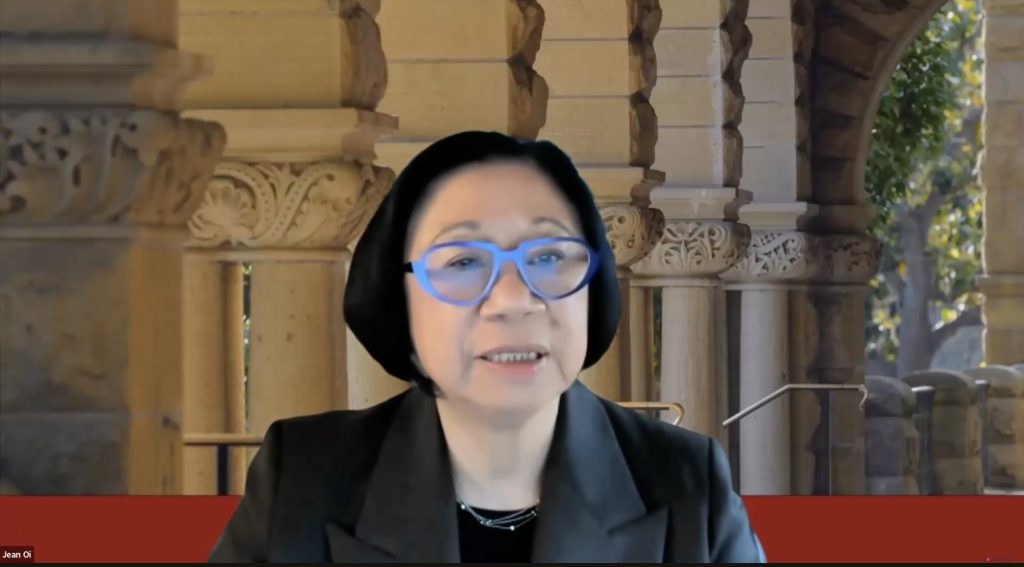
On what research still looks like on the ground in China, Jean Oi stressed that meaningful, high-quality research remains possible, though the constraints have changed. Scholars working at the provincial and local level, and those with strong personal relationships in-country, continue to produce important research. She noted that restrictions applied to advanced researchers are considerably tighter than those facing undergraduate students, a distinction that is often lost in public discourse. Looking ahead, she pointed to the critical role of existing American academic centers in China as bases for students and scholars, particularly given the loss of many other pathways, and called for regular bilateral consultations among U.S. stakeholders in China to coordinate responses to common challenges and raise high-level academic issues through diplomatic channels.
Above all, she emphasized the urgent priority of preserving personal relationships and communication channels built over years of engagement, which are not easily reconstructed once lost.
“Keeping these relationships going through the ups and downs is essential — and academic exchange has a particular role to play in sustaining the relationship regardless of the political climate.” – Jean Oi
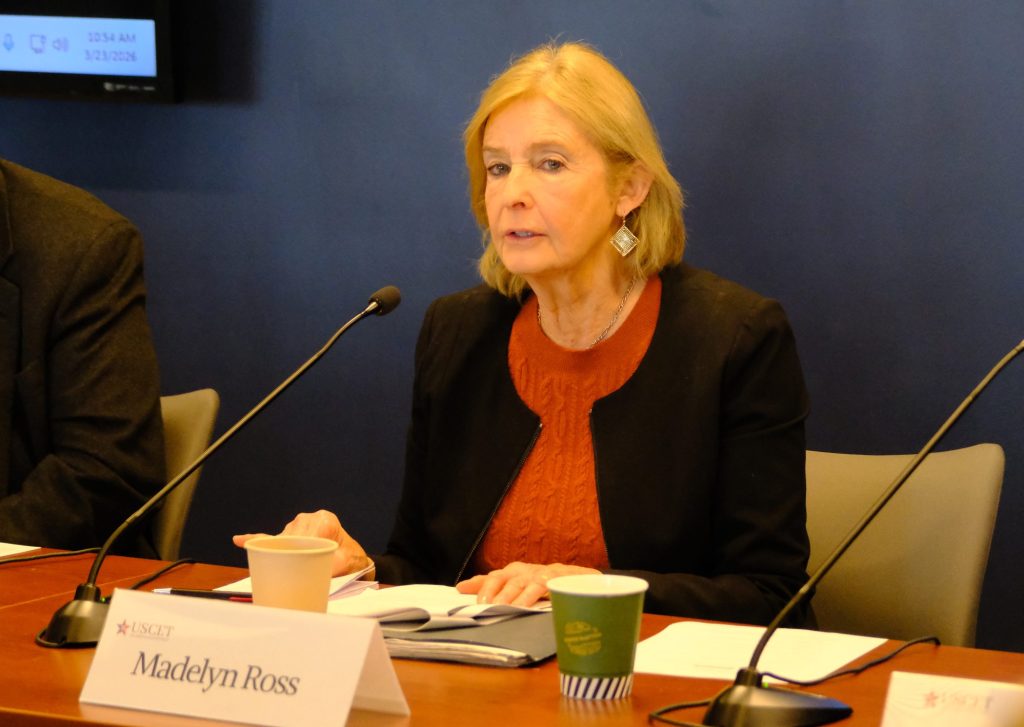
On implementation, Madelyn Ross emphasized that re-establishing dedicated fellowship funding, supporting joint venture institutions as platforms for advanced research, and simplifying student pathways are all near-term priorities. These pathways would help fill the void left by the Fulbright Program and would send a reassuring signal to students.
Q&A Highlights
On what the Chinese side can do: While the report focuses on American policy levers, Beijing can meaningfully contribute to increasing student traffic by keeping existing academic centers open, encouraging local bureaus to welcome American students, and expanding platforms available for fieldwork and institutional collaboration. Exchange should be substantive, not merely ceremonial.
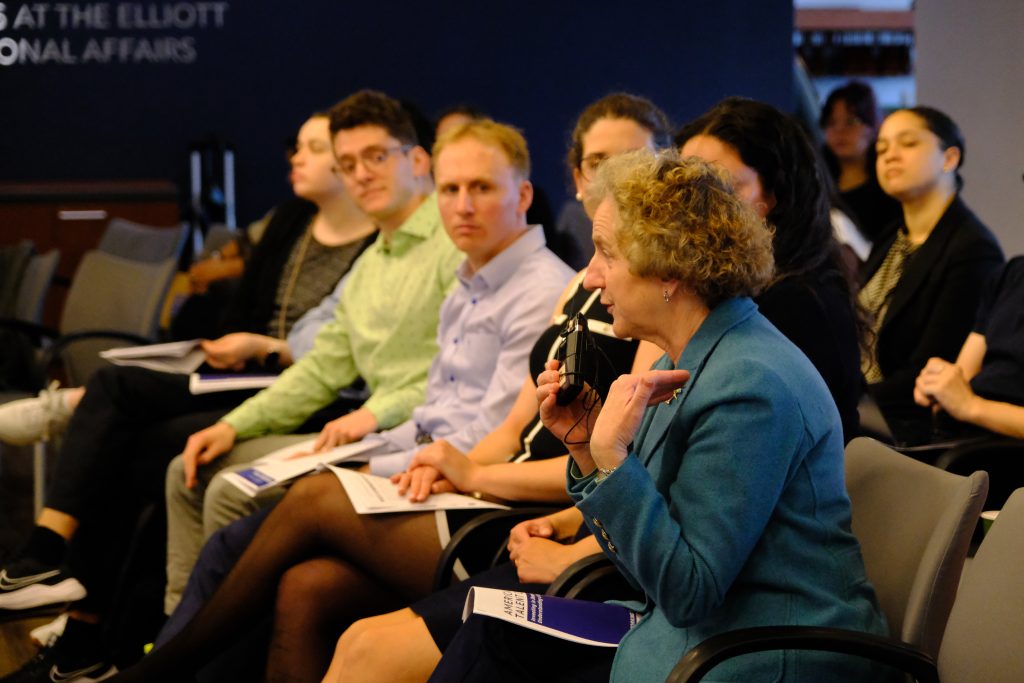
On congressional engagement: A clear statement of endorsement from senior U.S. government figures for educational exchange was identified as most crucial. Political attacks on joint venture institutions require a concerted response, and former and current officials are well-positioned to provide it. Members of Congress going to China themselves would also send an important signal.
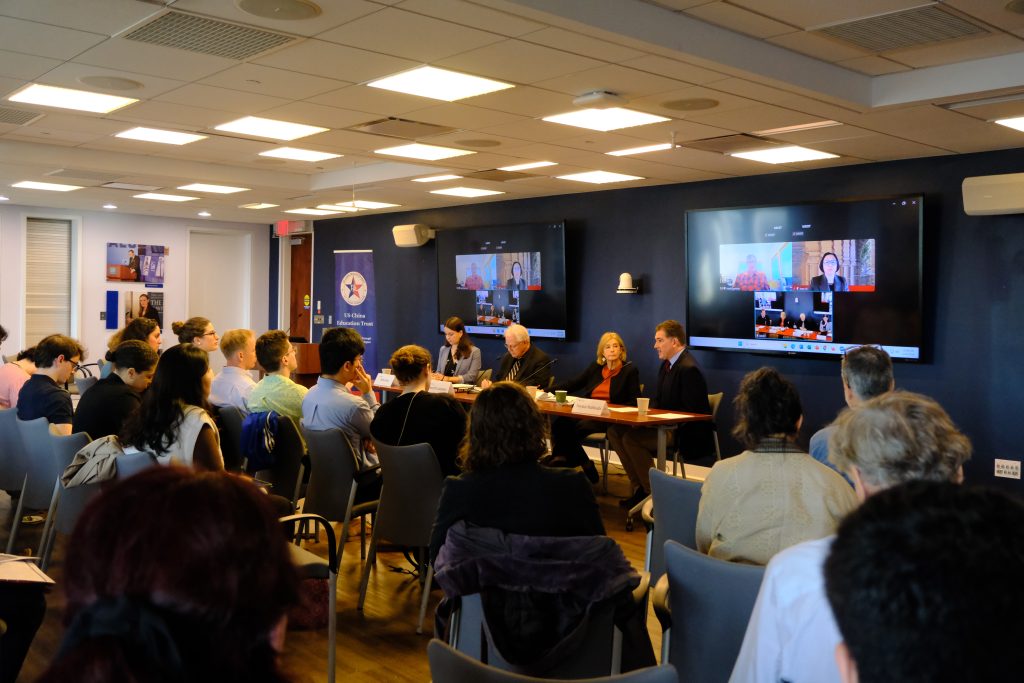
On historical context: The current moment, while difficult, is not unprecedented. The U.S.-China academic relationship has weathered more extreme periods (1960s-70s), and the most productive era (roughly 2008–2010) demonstrates what robust bilateral exchange can look like.
On career pathways: Professionals across virtually every sector are finding that China expertise is increasingly relevant to their work. This message needs to reach prospective students more effectively, cutting through hardened perceptions that have built up in recent years.
“Mainland China is a laboratory, a classroom on its own that deserves attention.” – Neysun Mahboubi
Closed Door Report Preview
Ahead of the public release of its expert Working Group report, USCET, in partnership with APCO Worldwide, hosted a discussion that previewed the report’s findings and recommendations for a policy audience.
The conversation brought together representatives from the executive branch, legislative branch, think tank, and media communities to discuss the report’s findings. Participants converged around several interconnected challenges including:
- A shrinking pipeline of China expertise driven by program cuts and career-risk perceptions
- A chilling effect on student mobility stemming from travel warnings not calibrated for academic audiences
- Limited institutional and financial support for study in China
- The urgent need for clear government signaling – including guidance on research security and renewed fellowship and funding pathways
Speaker Biographies
Opening remarks (virtual)
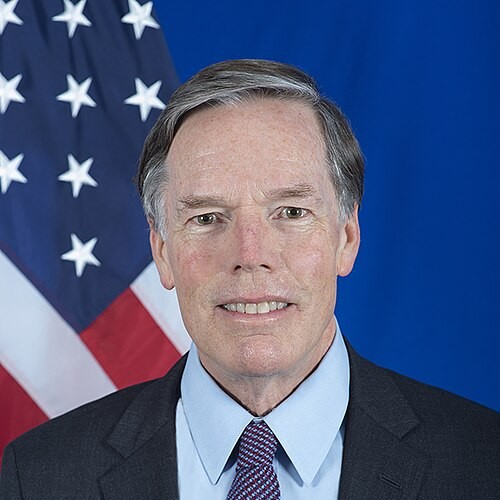
Ambassador Nicholas Burns is the Roy and Barbara Goodman Family Professor of the Practice of Diplomacy and International Relations at Harvard University’s Kennedy School of Government. He is the Founder and Faculty Chair of the Future of Diplomacy Project. He is also a Faculty Affiliate at Harvard’s Fairbank Center for Chinese Studies.
Burns served as the U.S. Ambassador to the People’s Republic of China from 2021-2025, leading public servants from forty-eight U.S. government agencies at the U.S. mission to China in overseeing one of America’s most important and challenging bilateral relationships. During his tenure, he helped to stabilize relations with Beijing while competing with China on military, technology, economic, and human rights issues.
Burns holds numerous awards and honorary degrees, including the Presidential Distinguished Service Award and the Secretary of State’s Distinguished Service Award.
Speakers
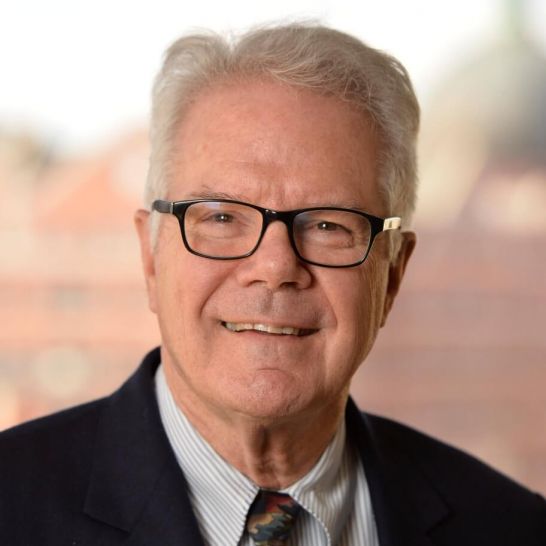
David M. Lampton is Hyman Professor Emeritus and former Director of China Studies at the Johns Hopkins University School of Advanced International Studies (SAIS). He currently is Senior Research Fellow at the SAIS Foreign Policy Institute. He also served as Dean of SAIS Faculty from 2004-2012. Formerly President of the National Committee on United States-China Relations, he is the author of many books including, Living U.S.-China Relations: From Cold War to Cold War (2024), with publications appearing in Foreign Affairs, Foreign Policy, The American Political Science Review, The China Quarterly, New York Times, Washington Post, and many other venues popular and academic in both the western world and in Chinese speaking societies. He received his B.A., M.A., and Ph.D. degrees from Stanford University. Dr. Lampton was the founding director of the China Studies programs at the American Enterprise Institute and at The Nixon Center (now The Center for National Interest), having previously worked at the National Academy of Sciences and having started his teaching career at The Ohio State University.
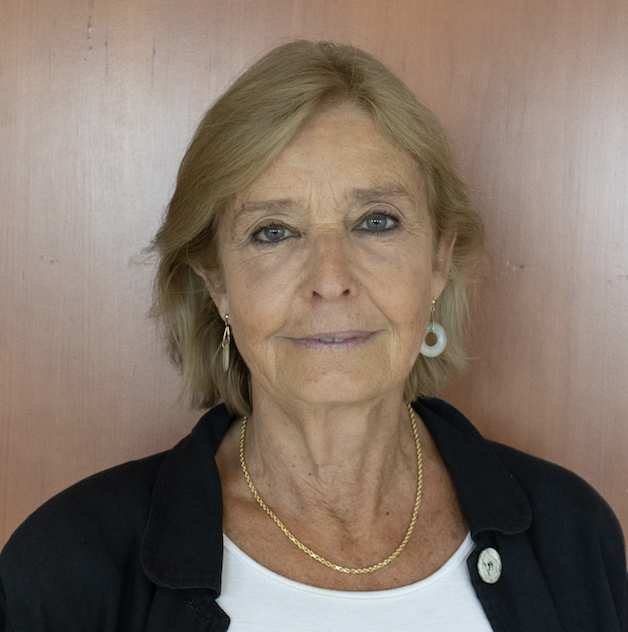
Madelyn Ross has worked in China-related positions in higher education and non-profit organizations for more than 30 years. She served as president of the US-China Education Trust from 2022-2024 and was previously executive director of SAIS China and associate director of China Studies at the Johns Hopkins University School of Advanced International Studies. She worked at George Mason University from 2003 to 2015 as director of China Initiatives across the university. She spent nine years at the US-China Business Council, where she was editor of The China Business Review and executive director of The China Business Forum. One of the first American students to study in China following normalization of US-China relations, Ross earned a graduate certificate in modern Chinese literature at Fudan University in Shanghai in 1979-1980. She holds an M.A. in International Affairs from Columbia University and a B.A. in East Asian Studies from Princeton University.
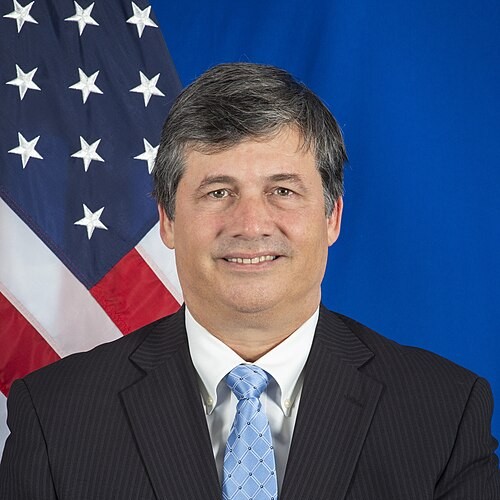
Mark B. Lambert served as State Department China Coordinator and Deputy Assistant Secretary in the Bureau of East Asian and Pacific Affairs until January 2025, overseeing the Offices of China and Taiwan Coordination. A career diplomat with extensive experience in Asia-Pacific affairs, he previously managed portfolios covering Japan, Korea, Mongolia, Australia, New Zealand, and the Pacific Islands, and earlier served as Special Envoy for North Korean Affairs, Director of the Office of Korean Affairs, and Political Counselor in Hanoi. Lambert has held multiple assignments in Beijing, Bangkok, Tokyo, and Bogotá, and earlier worked as a weapons inspector in Iraq. Recognized with a Meritorious Presidential Rank Award and numerous commendations, he is noted for his work on human rights, crisis response, and strengthening U.S. relations in the region.
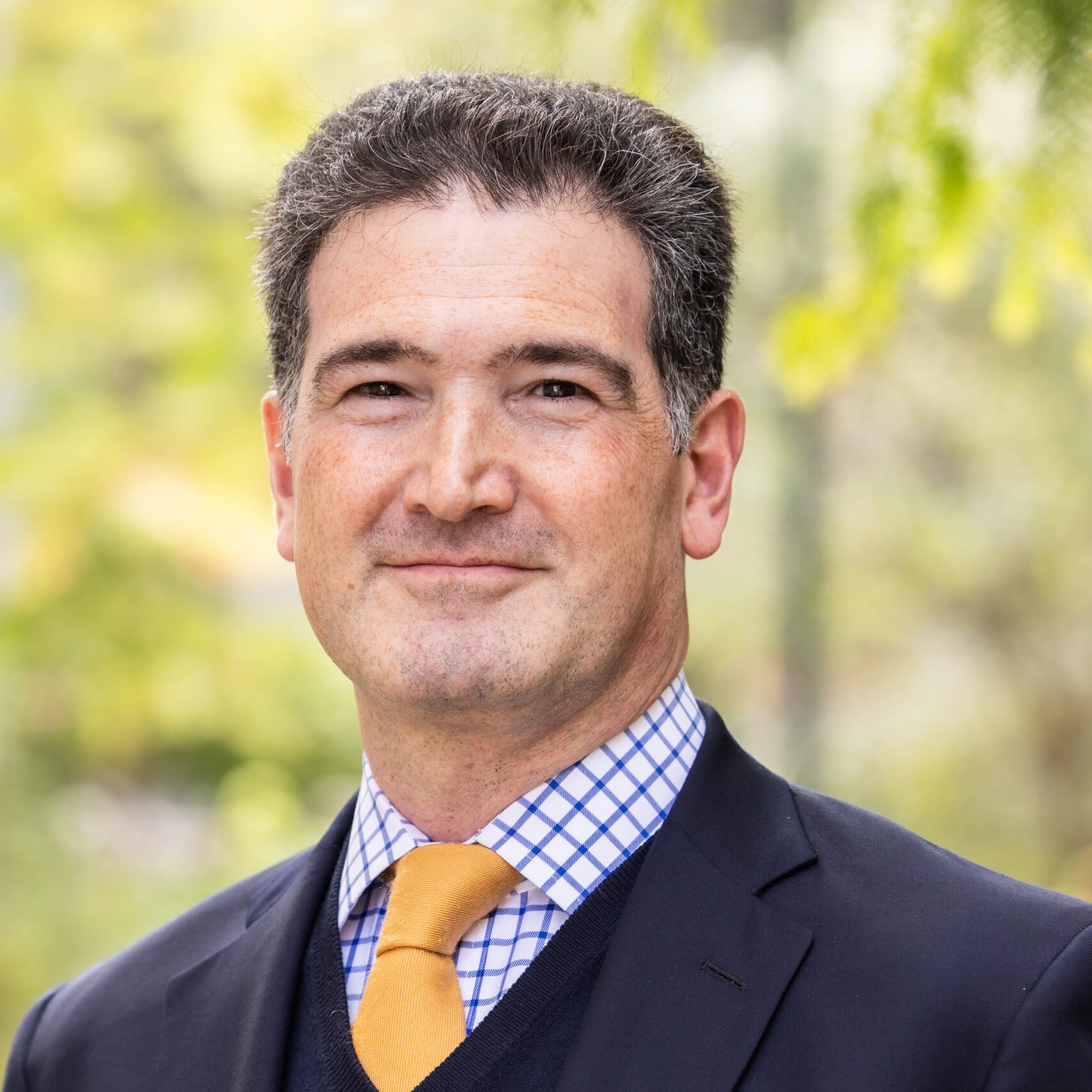
Neysun A. Mahboubi is Director of the Penn Project on the Future of U.S.-China Relations at the University of Pennsylvania, where he teaches on Chinese law, history, and policy and hosts the China Studies podcast. He is also a Non-Resident Senior Fellow with the Foreign Policy Research Institute, a Research Affiliate of the Penn Program on Regulation, and affiliated with Penn’s Center for the Study of Contemporary China. His work focuses on administrative, comparative, and Chinese law, with recent writing on modern Chinese administrative law. A frequent commentator on Chinese law and U.S.-China relations for outlets such as Bloomberg TV, NPR, and the Sinica Podcast, he has taught at Princeton, Yale, and UConn, and earlier served at the U.S. Department of Justice and clerked for Judge Douglas P. Woodlock. He holds a J.D. from Columbia Law School and an A.B. from Princeton University.
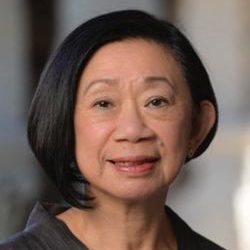
Jean C. Oi is the inaugural Goh Keng Swee Professor in China Studies at the East Asian Institute at the National University of Singapore (2025-2026). She is on leave from Stanford where she is the William Haas Professor of Chinese Politics at Stanford University and a Senior Fellow at the Freeman Spogli Institute for International Studies. She directs the China Program at the Shorenstein Asia-Pacific Research Center and was the founding Lee Shau Kee Director of the Stanford Center at Peking University. Before joining Stanford, she taught at Lehigh University and Harvard University. A scholar of China’s political economy, Oi’s research focuses on central-local relations and the institutional dynamics of reform. Her work has examined how distribution of grain and taxes offer insights into China’s governance and economic development. She received her Ph.D. in political science from the University of Michigan. In 2023-24 she served as President of the Association for Asian Studies.
Moderator
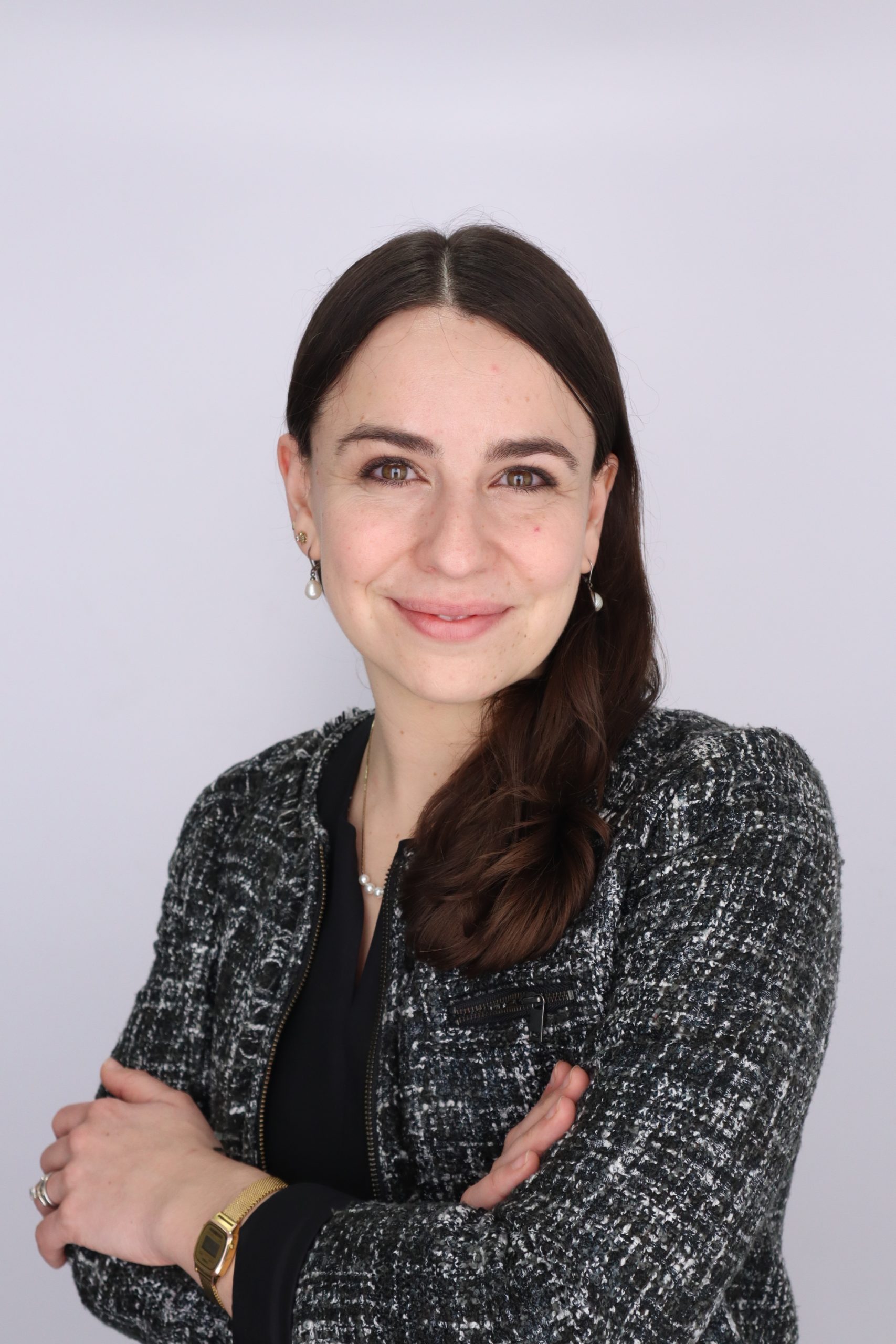
Rosie Levine is the Executive Director of the US-China Education Trust (USCET). She previously worked on the China program at the U.S. Institute of Peace and was named a 2024 Project Fellow with the Penn Project on the Future of U.S.-China Relations. Earlier, she spent four years at the National Committee on U.S.-China Relations, where she managed the Public Intellectuals Program and oversaw a major study on American research on China, with findings featured in outlets such as The Guardian, The Atlantic, and the Financial Times. From 2014 to 2018, Levine lived in Beijing, completing her master’s at the Yenching Academy of Peking University and serving as Program Director at the Beijing Cultural Heritage Protection Center. She is a graduate of the University of Michigan, head of Young China Watchers–DC, a Pacific Forum Young Leader, and grew up partly in Beijing.