
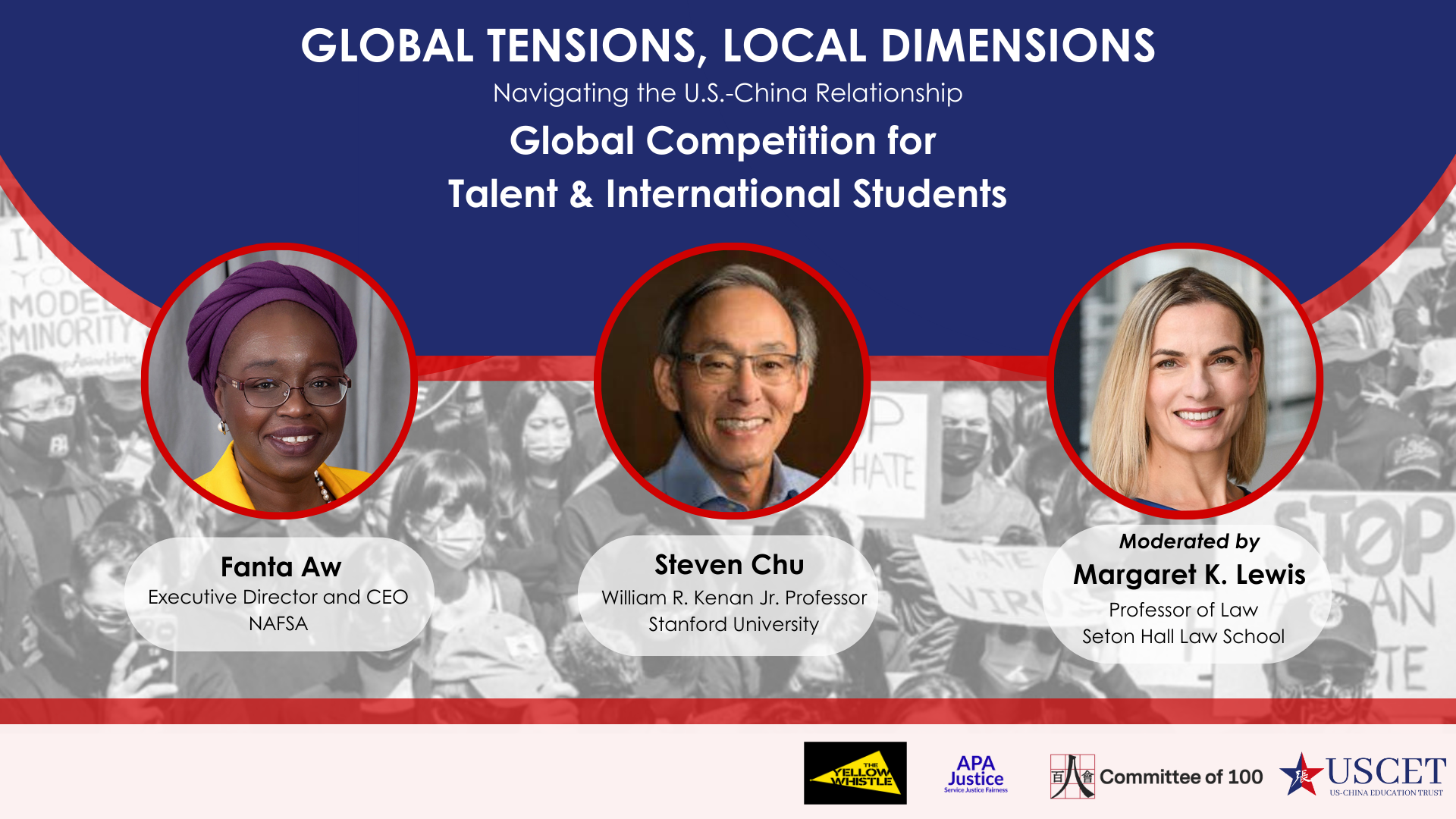
On February 26, 2026, the U.S.–China Education Trust (USCET), in collaboration with APA Justice and the Committee of 100 (C100), convened the second installment of a three-part webinar series examining how shifting U.S.–China relations are affecting people-to-people cross-border engagement. Building on themes raised in the series’ first event–“Bridging Nations: People-to-People Exchange in U.S.-China Relations”–this timely virtual discussion focused on how intensifying geopolitical competition is reshaping international student mobility, university partnerships, and the global race for talent. The program featured panelists Dr. Fanta Aw, Executive Director and CEO of NAFSA, and Dr. Steven Chu, Stanford University professor and former U.S. Secretary of Energy.
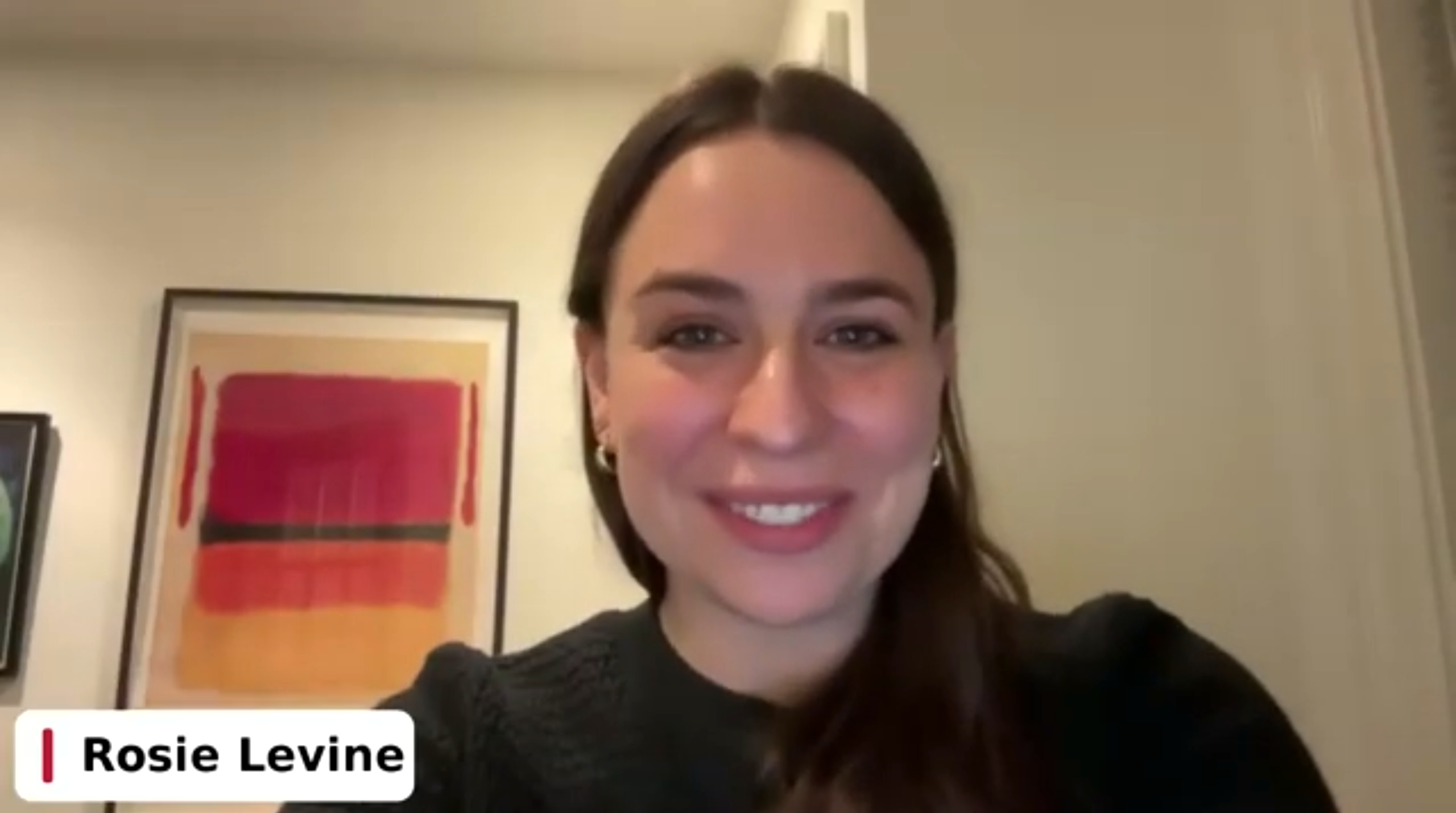
Rosie Levine, Executive Director of USCET, opened the event by underscoring that strategic competition has moved beyond trade and diplomacy onto university campuses and the day-to-day lives of students and academics. She pointed out that this competition carries major implications for the U.S. talent pipeline that fuels innovation and that Asian Americans bear particular pressure through heightened government scrutiny and new policy barriers.
Professor Margaret K. Lewis (Seton Hall University), the moderator of the conversation, opened by situating talent flows within the broader tension between national security and civil liberties. When asked how the current U.S.–China environment is reshaping bilateral collaboration, mobility, and the obstacles emerging alongside it, Dr. Chu emphasized that U.S. scientific leadership has long depended on international students and immigrant talent from around the world and that today’s environment is different from past cycles of tension.
“Without immigrants coming to the United States…U.S. science would be second tier. And this has been going on since pre-World War II.”
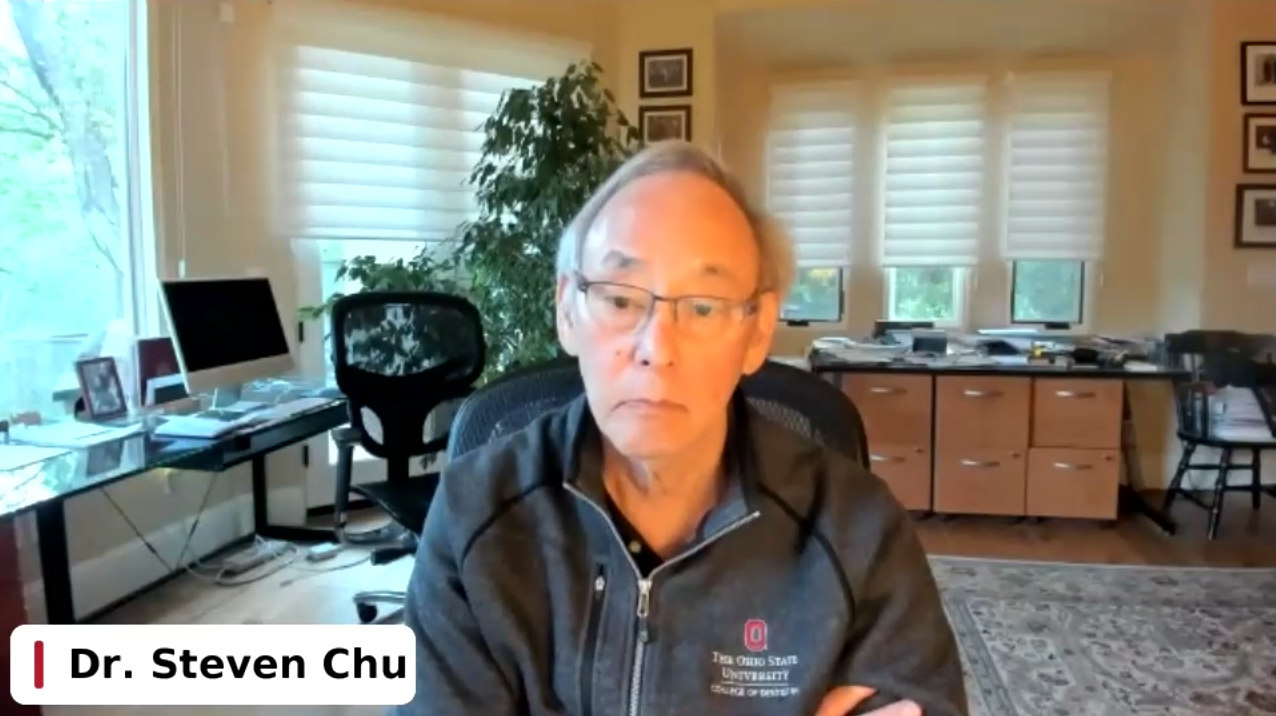
He pointed to visa slowdowns and prolonged administrative processing as not only barriers to entry but also signals to students and researchers around the world that Chinese nationals, in particular, are “not welcomed anymore.” Basic research, he defined as studies intended for open publication and broad dissemination, advance fastest through broad and open collaboration. In fields like materials science, China has taken the lead, and the U.S. stands to gain as much as it risks by closing off these channels of collaboration. The intellectual openness and the United States’ ability to attract and retain global talent has always been a cornerstone of U.S. innovation.
“The generous spirit of America—being a place where people from around the world could come and belong—is something that is now at risk.“
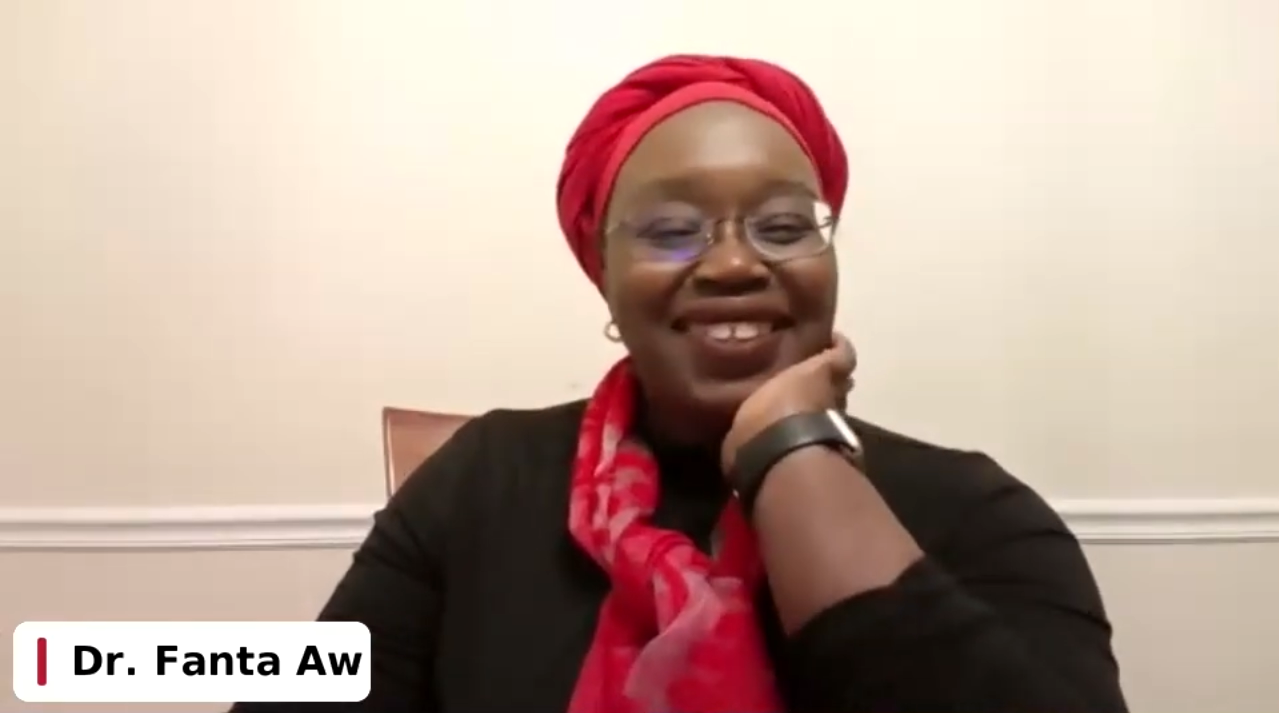
In response to the question, Dr. Aw described the current moment as a “reset” and a “redistribution of mobility.” Prospective international students are considering alternative destinations such as Germany, France, and the UK for a stable and welcoming environment for study and work, since the constant uncertainty of executive orders makes these high-stakes decisions more difficult.
“It is not the collapse of mobility, but it’s definitely a redistribution of mobility.“
Dr. Aw also argued that reducing engagement with China and Chinese students and researchers may undermine the U.S. ‘s competitiveness and security in academia and tech industries, rather than strengthen it. Therefore, she called for countering the prevailing narrative by sharing stories of immigrant contributions, highlighting the resulting economic benefits for legislators, and building coalitions across business, education, and advocacy sectors. More importantly, Dr. Aw emphasized that trust takes time to rebuild. Even if policies improve in the near future, the perception of hostility has already taken hold globally, and restoring confidence will require sustained and visible change.
A recurring theme throughout the discussion was that unpredictability itself is a key deterrent of global talent inflow. Professor Lewis and Dr. Aw highlighted how rapid policy shifts create high-stake risks for students, their families, and partner institutions. Dr. Aw pointed out that prospective students weigh not only admissions offers but also whether they can realistically navigate interview backlogs, unclear implementation rules, and complete their studies.
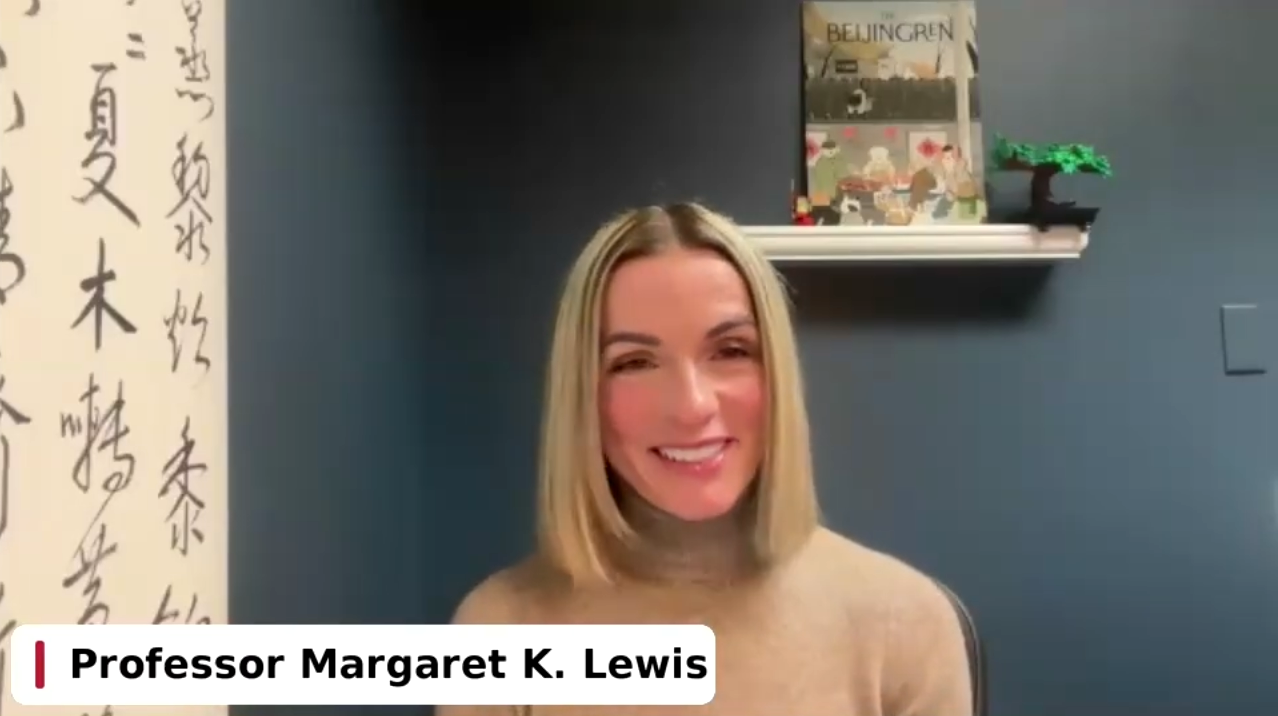
To conclude the discussion, Professor Lewis raised the issue of what individuals and institutions can do now. Dr. Aw urged building counter-narratives grounded in human contributions and local community impact to help visualize the consequences of current trends and make them more tangible to policymakers. Dr. Chu added the need for a more confident competitiveness strategy by investing in innovation and academic openness to remind the public that those ties have historically served as a quiet but critical form of diplomacy during periods of geopolitical strain.
The discussion closed with a forward-looking reflection on what it would take to reconsolidate U.S.–China educational ties in an era of strategic competition. Dr. Aw advocated for sustaining and expanding student and researcher exchanges, while doubling down on areas of shared interest where collaboration remains feasible. Dr. Chu cautioned against dividing the world into rigid spheres of influence, and argued that academic ties themselves are real resources and a valuable form of diplomacy. In doing so, the panelists reinforced that sustaining academic exchange and institutional collaboration will remain vital to managing competition while preserving channels for dialogue between the United States and China.
“That personal relationship among scientists and academics is a real resource. It’s a form of diplomacy that you don’t want to give up.”
Speaker Biographies
panelists
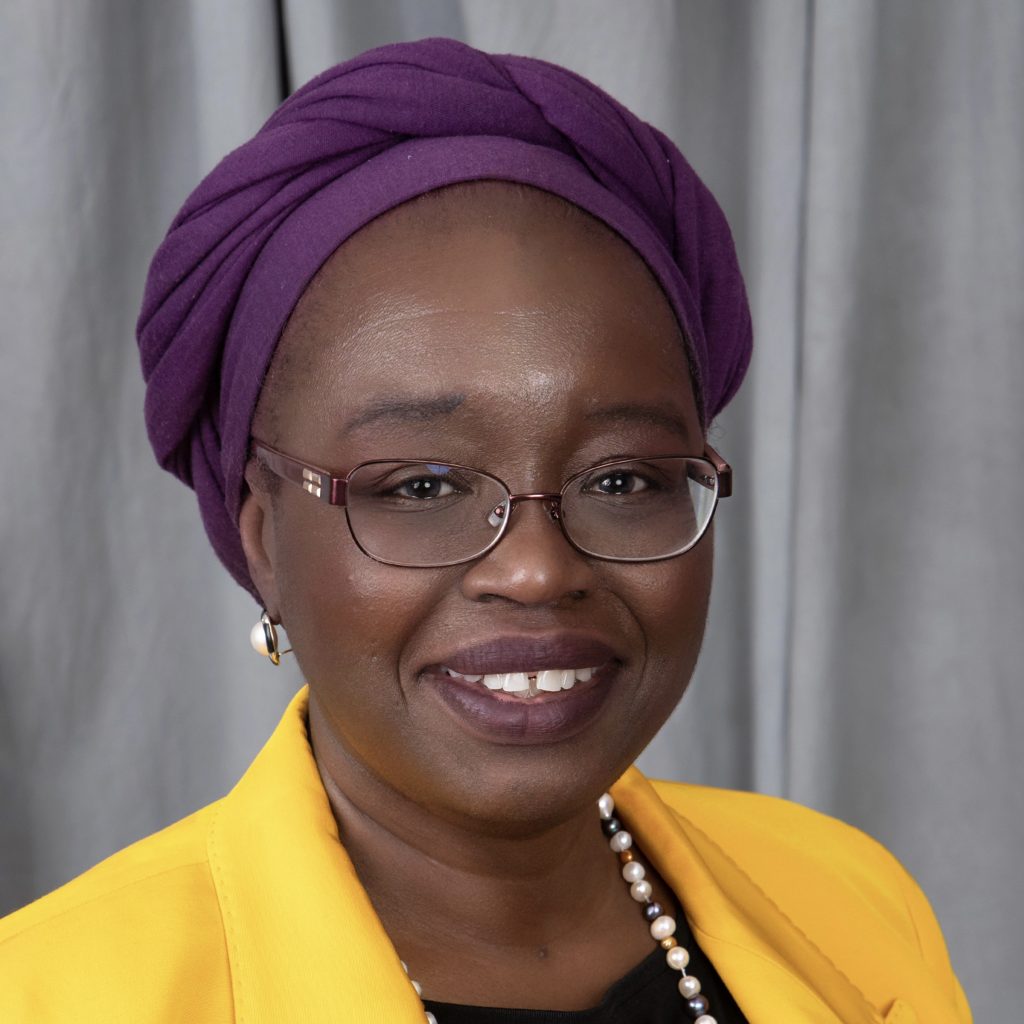
Dr. Fanta Aw currently serves as the executive director and CEO of NAFSA: Association of International Educators, having previously held its presidency from 2013 to 2016. She often serves as a keynote speaker, sharing her expertise on various topics, including internationalization; international educational exchange; diversity, equity, and inclusion; global trends; and more.
During her extensive tenure at AU, Dr. Aw held several leadership positions, including serving as the vice president of undergraduate enrollment, campus life, and inclusive excellence. She has been recognized as an award-winning lecturer while holding the title of Hurst Senior Professorial Lecturer at AU’s School of International Service. In 2023, her significant contributions to AU were honored with the Neil Kerwin Alumni Achievement Award.
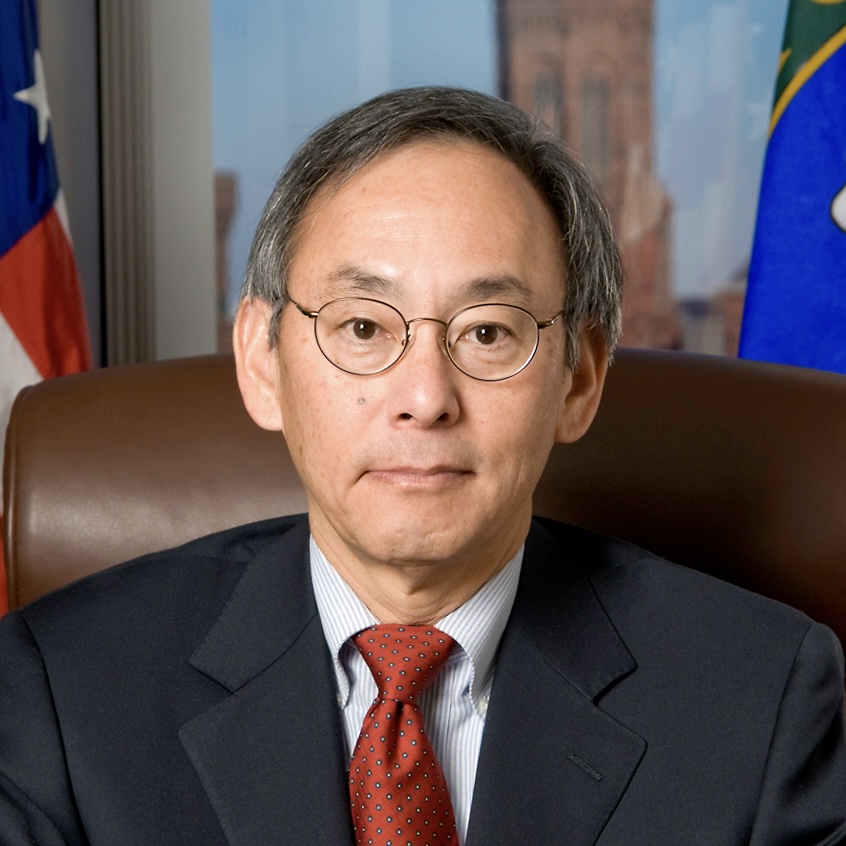
Dr. Steven Chu is the William R. Kenan, Jr. Professor of Physics, of Molecular and Cellular Physiology, and of Energy Science and Engineering at Stanford University.
From January 2009 to April, 2013, Dr. Chu served as U.S. Secretary of Energy under President Barack Obama. During his tenure, he began several initiatives, including ARPA-E (Advanced Research Projects Agency – Energy), the Energy Innovation Hubs, and the Clean Energy Ministerial meetings. As the first scientist Cabinet member, Dr. Chu recruited dozens outstanding scientists and engineers to the Department of Energy, and was personally tasked by President Obama to help stop the BP Oil leak.
He has received many awards, including the 1997 Nobel Prize for laser cooling and optical trapping of atoms.
Moderator
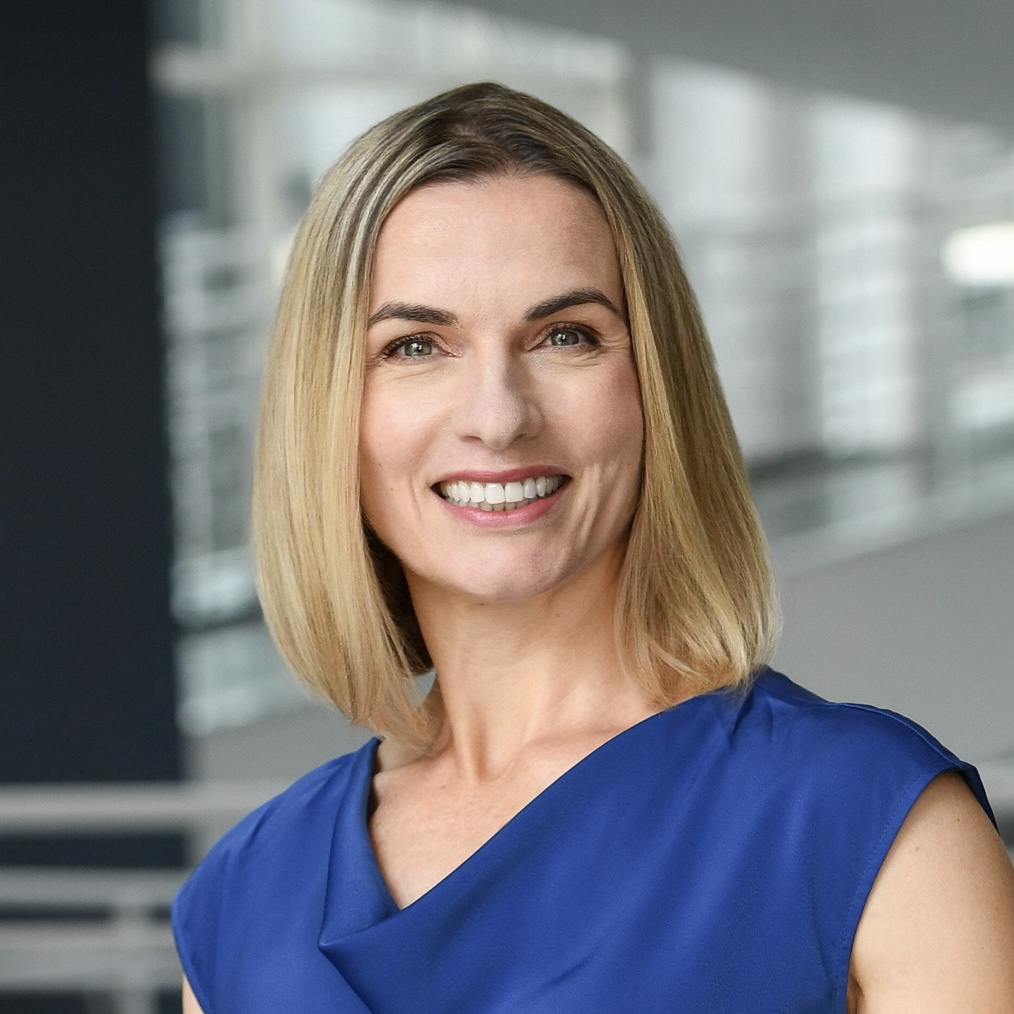
Maggie Lewis’s research focuses on China and Taiwan, with an emphasis on criminal justice, human rights, and legal issues in the U.S.-China relationship. She is spending 2025 on sabbatical as a Visiting Academic Researcher at Melbourne Law School’s Asian Law Centre and is a member of the Council on Foreign Relations as well as a Board Member and Public Intellectual Program fellow with the National Committee on U.S.-China Relations.
Lewis has robust academic and private sector experience, from a Fulbright Senior Scholarship to teaching at Academia Sinica to consulting at the Ford Foundation. In addition to publishing in academic journals, she co-authored Challenge to China: How Taiwan Abolished its Version of Re-Education Through Labor with Jerome A. Cohen.