
On February 1, 2026, the U.S.–China Education Trust (USCET) convened the second session of the 18th American Studies Network (ASN) Conference under the theme of “World War II 80 Years On: Remembrance and Reassessment in U.S.–China Relations.” Building on the first session, the conference brought together a distinguished group of professors, diplomats, and scholars to examine the evolving trajectory of U.S.–China relations since the Cold War.
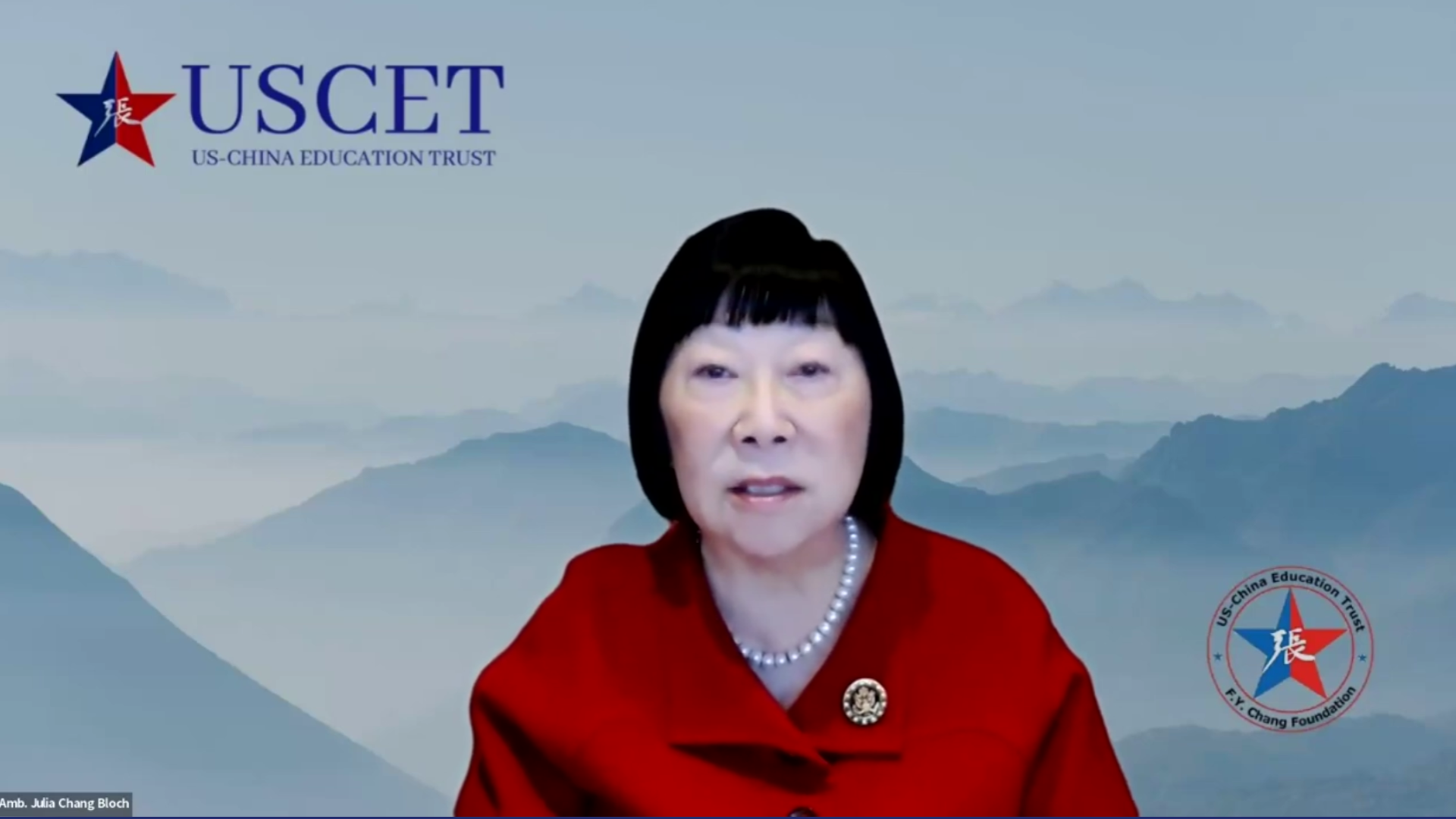
Ambassador Julia Chang Bloch delivered opening remarks that were both sobering and forward-looking, establishing the central theme of the evening by explaining that sustained dialogue keeps rivalry in bounds, especially as both sides are losing knowledge of each other. She cautioned that the central concern in today’s bilateral relationship is not the existence of competition, but whether miscalculation or misjudgment could lead to conflict.
“Competition is inevitable, but war is optional.”
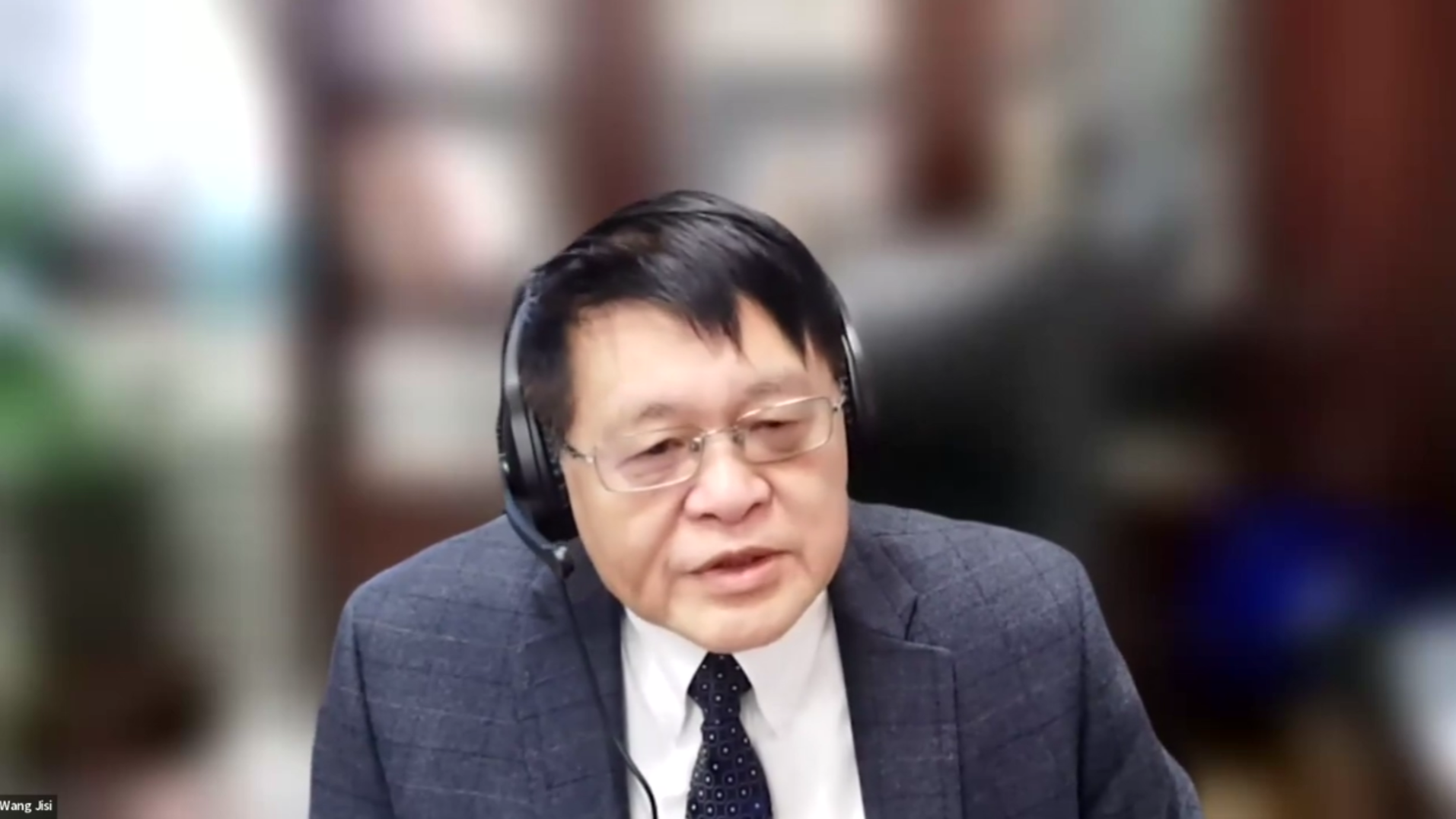
Building on this theme of managed competition and the risks of miscalculation, the evening’s keynote address examined the forces shaping today’s U.S.–China relationship. The keynote address was delivered by Wang Jisi, founding president of the Institute of International and Strategic Studies and professor at Peking University. Wang began by reflecting on Cold War politics and their impact on American domestic perceptions and misunderstandings of China. He outlined five historical stages in the bilateral relationship: World War II and its aftermath, the founding of the People’s Republic of China, the period of rapprochement, the post–Cold War era, and the current era. Wang argued that the current era is characterized by diverging ideological differences and intensified political, military, and technological rivalry, including growing technological bifurcation.
Wang emphasized that domestic political dynamics have consistently shaped bilateral antagonism. He concluded with several lessons from history: narratives of inevitable American decline and Chinese ascendance require longer-term perspective and scrutiny; partnership remains more sustainable than isolation; and rivalry, if managed responsibly, need not culminate in confrontation. “Competition need not preclude coexistence,” he observed, underscoring the importance of prudent statecraft.
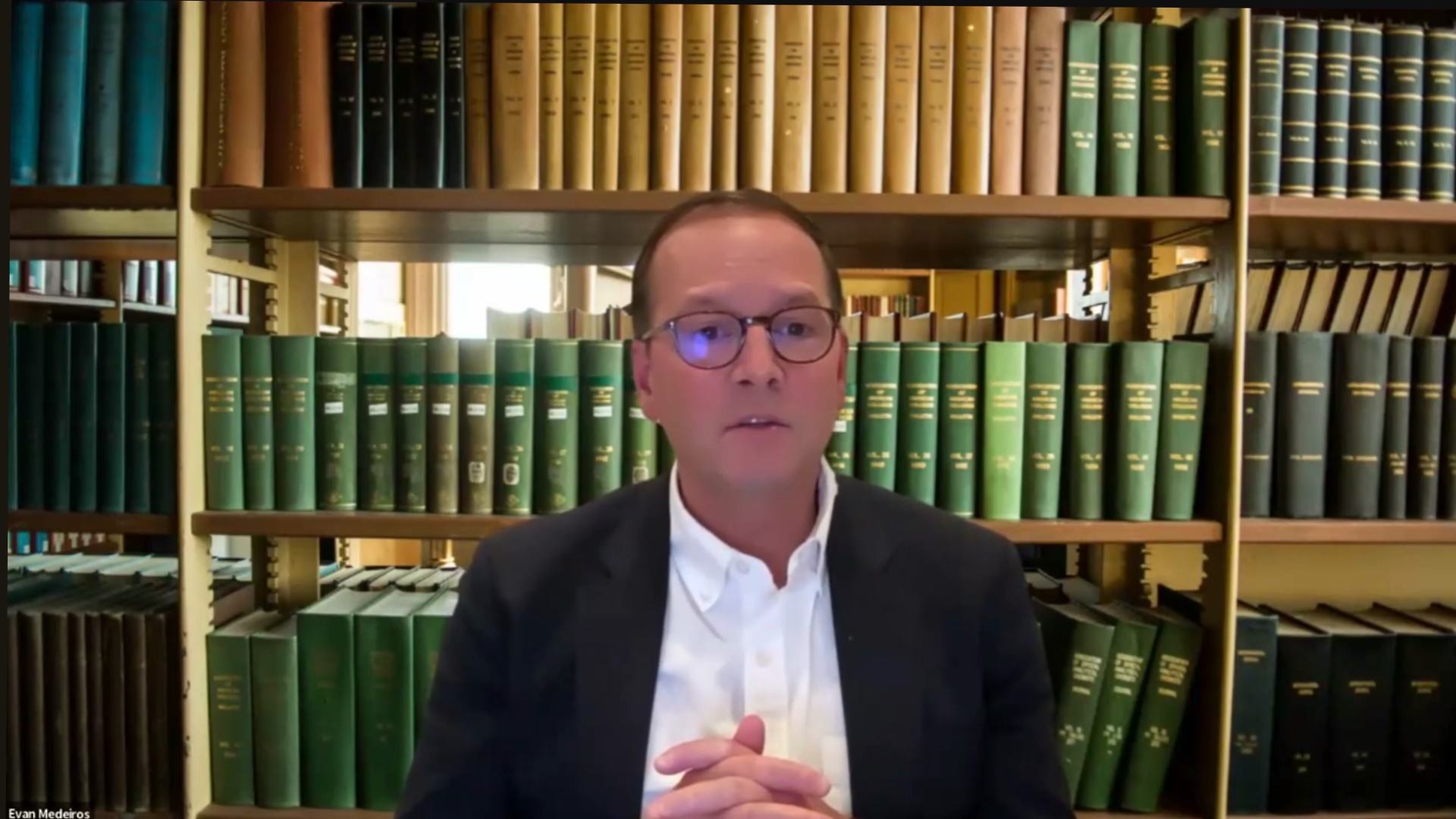
A fireside conversation followed between Professor Wang and Evan Medeiros, professor and Penner Family Chair in Asian Studies at Georgetown University’s School of Foreign Service. Medeiros reflected on his earlier academic exchanges with Professor Wang in Beijing and explored potential parallels between previous periods of rivalry and the present moment. Their discussion addressed China’s global outlook, economic interdependence, and ideological differences. In response to Medeiros’ questions about how Wang characterizes the ideological differences between the U.S. and China and what that difference might entail, Professor Wang noted that contrasting value systems remain a deeply rooted and enduring source of tension, particularly in areas such as human rights, governance, and national identity. To conclude, Wang shared that 2026 will most likely not see great changes in the U.S.-China relationship. As it stands, China will probably not give up the whole set of instruments deterring the U.S., and the U.S. continues to reserve the right to punish China. Wang fears that competition and decoupling material goods will remain a key feature of strategic competition.
“China-US relations are neither doomed nor destined… the right steps can help us avoid confrontation.”
The conference then transitioned to a panel discussing whether the U.S.-China wartime alliance was a unique historical moment, the collapse of U.S.–China cooperation after the Cold War, new tensions in the relationship, and the key issues that Presidents Trump and Xi must address moving forward. Moderated by David Finkelstein, the panel featured Carla Freeman (Johns Hopkins University), Shao Yuqun (Shanghai Institutes for International Studies), and Zhang Ling (formerly of National Defense University). The discussion examined the origins and dissolution of the earlier quasi-alliance, contemporary strategic tensions, and the implications of a potential future U.S. presidential visit to Beijing.

Carla Freeman emphasized that cooperation was most effective when the two countries shared a common adversary and mutual strategic incentives. The collapse of the Soviet Union altered this alignment and removed a key unifying factor. She argued that current antagonism is structural, shaped by economic sanctions, human rights concerns, and growing security tensions. While Taiwan has long been a point of contention, she noted that evolving political developments have increased the risks associated with cross-Strait tensions. Emerging areas of competition — including the South China Sea, space, the Arctic, seabed resources, and rare earth minerals — also warrant close attention. Looking ahead, she suggested that trade issues, including agricultural purchases, would likely be central to future high-level diplomatic engagements.
“I just don’t think our system is designed to look across all of these frontiers the way the Chinese have…so going forward, [the global commons] is a new area I would take a look at.“
Zhang Ling similarly observed that the early period of cooperation was historically unique. She stressed the importance of mutual respect for internal political systems and cautioned against U.S. intervention. In her view, both countries must adopt a broader global perspective to manage tensions responsibly during a period of systemic transition. She shared a striking analogy reflecting on the current condition of both countries – China is in puberty, and the U.S. is in menopause.
“In a family, if there’s one in the period of menopause and one in puberty, I think communication and patience are very important, so I welcome the contact between our two presidents…to bring understanding and trust through high-quality dialogue.”
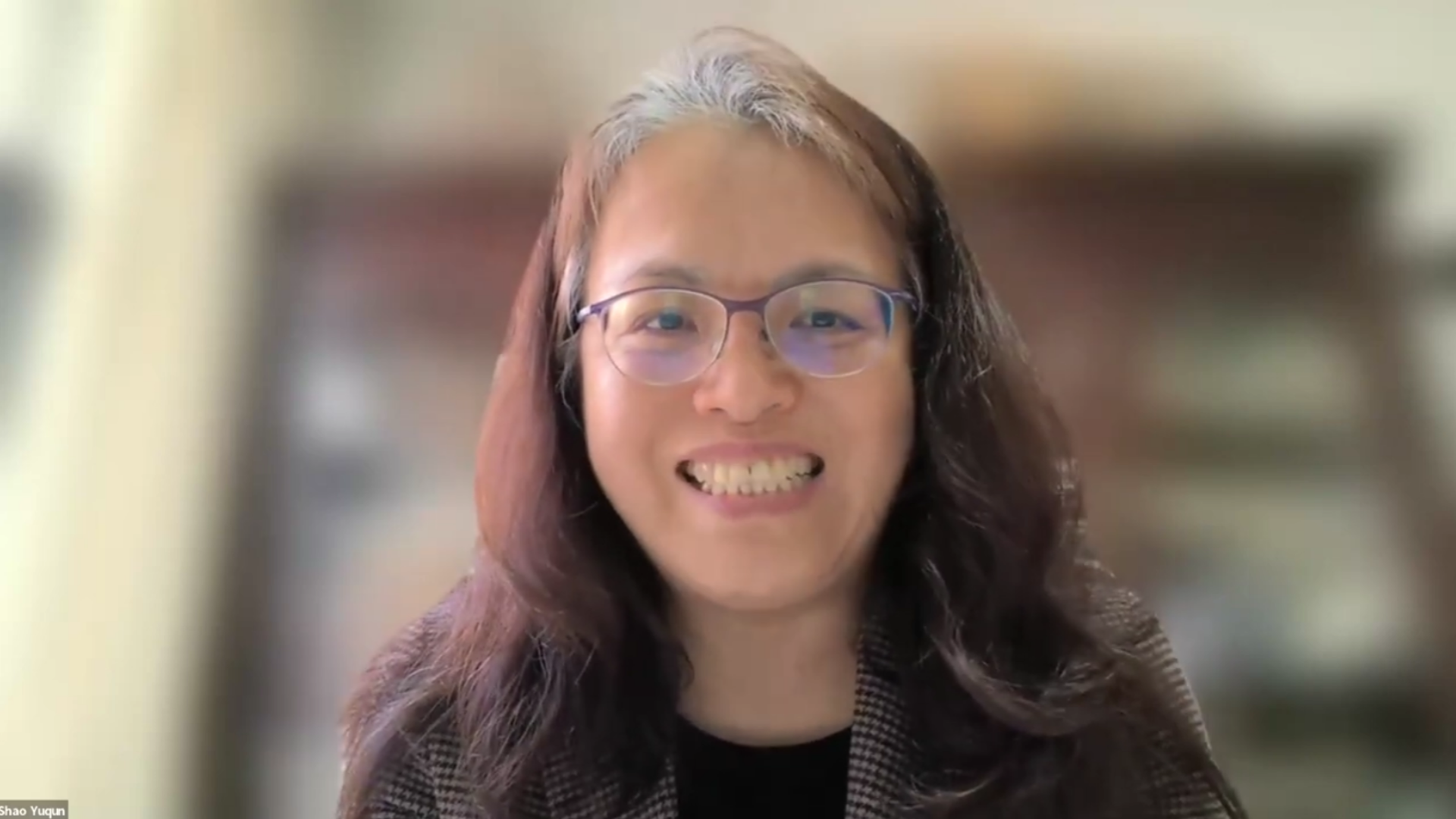
Shao Yuqun highlighted the importance of scholarly and societal exchanges, noting declining willingness among some U.S. researchers to engage directly with China. Identifying 3 T’s – Taiwan, trade, and technology – as core areas of concern, she underscored the importance of communication and strategic restraint. She also addressed artificial intelligence as a key area where both cooperation and rivalry coexist. Tariffs and technology controls, she suggested, would remain critical issues in future negotiations.
“From Beijing’s perspective, perceptions of betrayal due to the infamous reciprocal tariffs and shifts in U.S. congressional attitudes have significantly shaped bilateral dynamics.”

David Finkelstein shared his own insights by reflecting on the U.S.–China military cooperation during the Cold War that is often underappreciated in American historical narratives. He noted that differing interpretations of the post–Cold War transition continue to shape policy debates. Today, he warned, miscalculation — particularly in the context of a Taiwan contingency — poses serious risks across multiple capitals.
“There already is a competition for what this next world order looks like, and what that is…I would never even dare to venture a guess.”
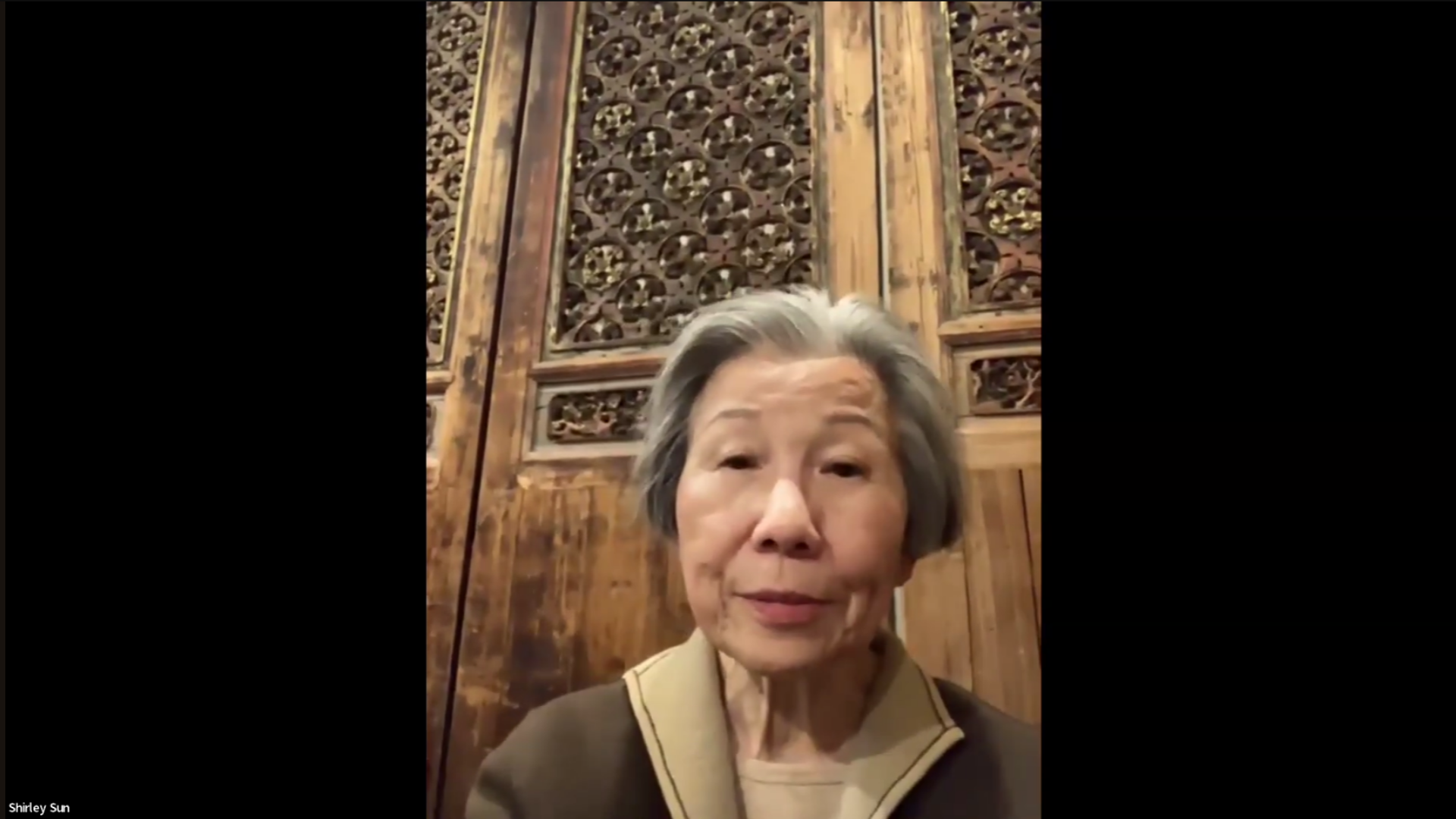
The conference concluded with remarks from filmmaker Shirley Sun, who shared an excerpt from her documentary “Vinegar Joe,” which chronicles the life of U.S. Army General Joseph Stilwell. As one of the most influential American figures in China during World War II, Stilwell played a central role in Allied operations against Imperial Japan, including campaigns in Burma. Although he was such a powerful man, he was still severely limited in his reach and ambitions due to disputes with Chiang Kai-shek and other allied officials. Stilwell was eventually replaced, by request of Chiang and backed by ambassador Patrick J. Hurley, who along with the U.S. government believed that Chiang was their key to victory against Communism in China. Even after his reassignment, Stilwell still continued serving tirelessly in U.S. military command until the end of his life. The documentary provided a vivid historical reminder of the depth of past U.S.–China cooperation and the potential for constructive partnership under shared strategic circumstances.
“His favorite saying in Latin was ‘illegitimati, non-camburandum.’ And that means don’t let the bastards get you down.”